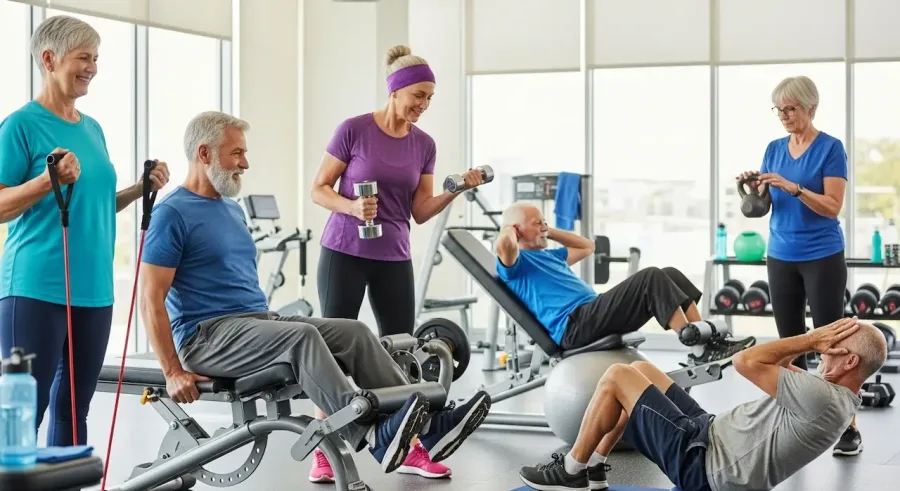
Maintaining balance is one of the most important aspects of staying active, independent, and safe as we age. As we grow older, natural changes in muscles, joints, and the nervous system can affect coordination, stability, and overall mobility. This makes older adults more susceptible to falls, which can lead to serious injuries and a loss of independence. Balance training for older adults is a practical, effective way to strengthen the body, improve coordination, and reduce the risk of falls. By incorporating simple balance exercises into your daily routine, you can stay active, move with confidence, and enjoy a higher quality of life.
Balance training for older adults: simple moves to prevent falls
Balance is essential for performing everyday tasks safely, such as walking, climbing stairs, reaching for items, and getting in and out of chairs. Prioritizing balance exercises helps seniors maintain functional independence, improve posture, and build confidence in their movements. It also supports better muscle tone, flexibility, and joint health. Older adults who practice regular balance training are more likely to remain active, reduce fear of falling, and continue enjoying daily activities with minimal assistance. This type of exercise strengthens the legs, hips, and core, all of which are critical for stability, and helps maintain coordination and proprioception, which is the body’s awareness of its position in space.
There are numerous benefits to balance training for seniors. First and foremost, balance exercises reduce the risk of falls, which are among the leading causes of injury in older adults. Improved balance increases confidence in walking and moving through daily life, encouraging more physical activity and helping prevent a sedentary lifestyle. Balance training also strengthens the muscles of the lower body, including the calves, quadriceps, and glutes, while enhancing core stability. This combination makes walking, bending, reaching, and turning safer and easier. Additionally, balance exercises improve reaction time, coordination, and agility, all of which contribute to overall safety.
Balance training can be simple and performed at home without expensive equipment. A few easy exercises can make a significant difference over time. For instance, standing on one leg while holding a sturdy chair for support is an effective exercise for improving single-leg stability. Another useful exercise is the heel-to-toe walk, where you place the heel of one foot directly in front of the toes of the other foot while walking in a straight line. This challenges your coordination and strengthens leg muscles. Weight shifts, gently moving your body from side to side, also help enhance lateral stability. Sit-to-stand exercises, which involve rising from a chair without using your hands, are functional movements that strengthen the legs and improve mobility for everyday life. Toe lifts, performed by standing and lifting the heels off the floor, help stabilize the ankles and strengthen the calves.
Safety is a crucial aspect of balance training. Always perform exercises in a clear, open space with a sturdy chair, countertop, or wall nearby for support. Wear comfortable shoes with non-slip soles to reduce the risk of slipping. Move slowly and focus on maintaining proper posture and form. If you feel dizzy, unsteady, or experience pain, stop the exercise immediately and rest. Starting gradually and increasing difficulty over time ensures that balance training is safe, effective, and sustainable.
Incorporating balance training into daily routines is both practical and efficient. You don’t need to set aside long periods of time; short, consistent practice can be highly effective. For example, try standing on one foot while brushing your teeth or performing heel-to-toe walking along a hallway. Sit-to-stand repetitions can be done during television breaks. Even five to ten minutes of focused balance training each day can yield noticeable improvements in stability and confidence. The key is consistency—regular practice is more important than intensity when beginning a balance program.
As you progress, you can gradually introduce more challenging exercises. Advanced movements such as single-leg deadlifts, step-ups, side leg raises, and standing marches help improve coordination, agility, and muscle strength. Using light resistance bands or incorporating a stability ball can further enhance core strength and challenge balance in a safe way. Combining balance exercises with strength and flexibility training creates a comprehensive approach to physical health. Strong muscles support stable joints, while flexible muscles allow safer and more efficient movement. Gentle stretching for the hamstrings, calves, and back, along with resistance exercises, completes a balanced fitness routine.
Tracking progress is a useful tool for maintaining motivation. Keep a simple journal or use a mobile app to record exercises, repetitions, and duration. Celebrate small achievements, such as standing longer on one leg, performing more repetitions of a sit-to-stand, or walking further during heel-to-toe exercises. Monitoring improvement reinforces the habit of daily balance training and encourages continued effort. Over time, these small steps accumulate into significant gains in stability, mobility, and confidence.
The mental benefits of balance training should not be overlooked. Engaging in regular balance exercises increases body awareness, focus, and cognitive function. As older adults practice controlled movements and concentration, they enhance their mental sharpness and confidence in navigating their environment. Balance training also encourages mindfulness, which can reduce anxiety related to movement or fear of falling.
Balance training for older adults is not just about physical health—it’s about independence and quality of life. Being able to walk confidently, climb stairs safely, and perform everyday tasks without assistance fosters a sense of empowerment and freedom. It allows seniors to continue participating in social activities, hobbies, and family life without unnecessary limitations. When combined with a healthy lifestyle that includes proper nutrition, strength training, flexibility exercises, and cardiovascular activity, balance training provides a complete foundation for aging well.
In conclusion, balance training is a fundamental component of healthy aging. It helps seniors maintain independence, reduce fall risk, and improve overall physical and mental well-being. Simple exercises such as standing on one leg, heel-to-toe walking, sit-to-stand movements, and weight shifts can be done at home with minimal equipment. Safety precautions, consistent practice, and gradual progression ensure effective results. By incorporating balance training into daily routines and combining it with strength and flexibility exercises, older adults can stay active, confident, and safe. Starting today, even small, consistent efforts in balance training can lead to meaningful improvements in mobility, stability, and quality of life, making aging a more empowered and independent experience.