

Exercise
Benefits of Yoga
Gain strength, flexibility, and mental clarity through yoga—discover how this ancient practice transforms your body and mind beyond expectations.


Pilates has evolved far beyond a niche workout trend. Today, it is widely recognized as a powerful, holistic method for strengthening the body, enhancing mobility, and enriching mental wellbeing. What makes Pilates so appealing is its balanced combination of controlled movement, mindful breathing, and intentional focus. Rather than isolating muscles or relying on heavy equipment, Pilates trains the body to move as a coordinated unit. This approach naturally improves core strength, flexibility, posture, joint stability, and muscular balance. At the same time, it integrates techniques that reduce stress, promote body awareness, and cultivate a calmer, more centered mind.
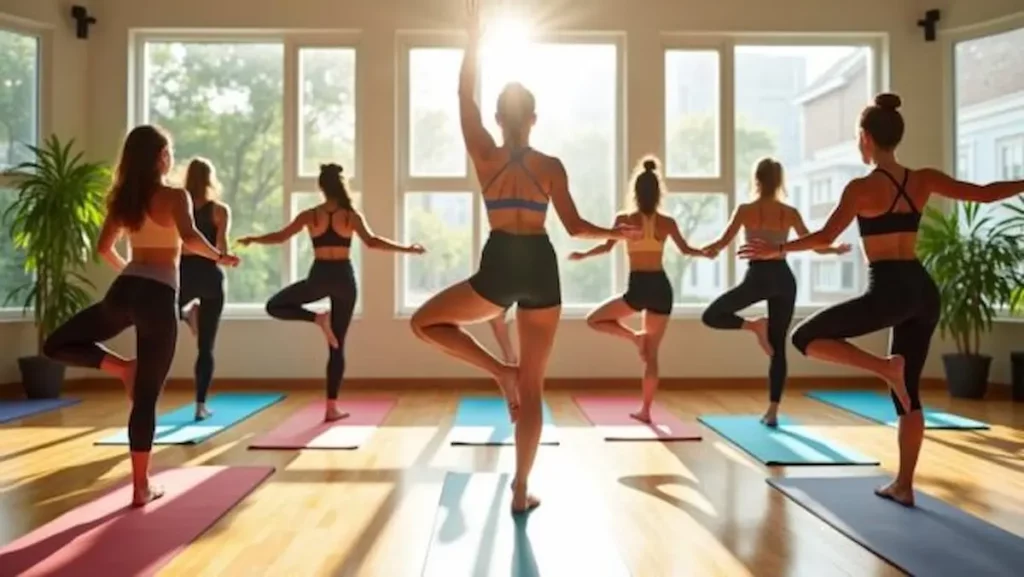
Because Pilates is adaptable to all ages, fitness levels, and physical conditions, it remains a popular choice for rehabilitation settings, athletic cross-training, and daily fitness routines alike. Its focus on slow, deliberate motion makes it gentle on the joints while still highly effective for building functional strength. Ultimately, Pilates offers a system that truly supports the body in everyday life—not just during workouts. Understanding how these benefits work together highlights why Pilates has become one of the most trusted practices for long-term health and overall wellbeing.
Core strength is one of the most celebrated benefits of Pilates, and for good reason. The “core” extends far beyond the superficial abdominal muscles. It includes the deep stabilizers of the spine, the pelvic floor, the diaphragm, and the muscles surrounding the hips and lower back. Pilates targets this entire complex with precision, encouraging stability that radiates through the whole body.
During Pilates exercises, practitioners learn to activate the transverse abdominis—the deepest abdominal layer—by engaging the core in a way that supports movement from the inside out. This builds a strong and resilient foundation that improves balance, protects the spine, and enhances overall body mechanics. Over time, strengthening the core reduces the risk of lower-back pain, enhances performance in other exercises, and improves everyday tasks such as lifting, walking, and sitting.
A well-conditioned midsection doesn’t just look toned; it functions intelligently. The stronger the core, the more efficiently your body stabilizes itself, allowing for greater control and smoother, more precise movement. Pilates excels at achieving this because every exercise intentionally incorporates core engagement, creating strength that is both functional and long-lasting.
Pilates is exceptional when it comes to improving flexibility, and it does so through a method that emphasizes balance rather than overstretching. Many people associate flexibility with passive stretching, but Pilates takes a dynamic approach that lengthens muscles while they remain engaged. This technique encourages muscles to elongate safely, promoting strength through the entire range of motion.
Consistent practice enhances flexibility by increasing mobility in the joints, reducing muscle tightness, and improving the elasticity of connective tissues. Over time, this leads to smoother movement patterns and less overall stiffness. Improved flexibility also supports better posture and helps the body compensate less when performing daily activities.
One of the reasons Pilates promotes safe, balanced flexibility is its emphasis on alignment. Practitioners learn to move with precision, ensuring that stretches occur in the correct planes without placing unnecessary strain on joints or ligaments. As the body becomes more flexible, it gains freedom of movement, reduced discomfort, and a greater sense of ease that enhances both physical performance and daily comfort.
In today’s world—filled with long sitting hours, digital devices, and repetitive movement patterns—posture issues affect nearly everyone. Pilates directly targets the underlying imbalances that contribute to poor posture by strengthening the muscles responsible for spinal alignment and supporting proper movement mechanics.
Pilates encourages awareness of how the body stacks itself from head to toe. As core strength increases, the spine becomes better supported, reducing the tendency to slouch or collapse into the lower back. Exercises that strengthen the upper back and stretch tight chest muscles counteract the rounded shoulders common in modern lifestyles. Meanwhile, improved pelvic alignment helps distribute weight evenly through the spine, easing discomfort and creating more efficient posture.
Better posture does more than enhance appearance—it supports lung capacity, reduces back and neck pain, and improves overall biomechanics. With consistent practice, Pilates helps restore balance throughout the muscular system, allowing you to move with greater ease and maintain upright, confident posture throughout the day.
Pilates is well-known for creating long, lean, and toned muscles, an effect that comes from its emphasis on controlled strength rather than heavy lifting. The method uses deliberate, precise movements that simultaneously engage multiple muscle groups. This approach promotes balanced muscle development and increases endurance, helping muscles become more defined without excessive bulk.
Because Pilates incorporates eccentric muscle work—lengthening muscles under tension—it enhances tone in a way that supports flexibility and reduces stiffness. Over time, this type of training creates strong, durable muscles that move efficiently and support the body during daily tasks. Unlike exercises that isolate specific muscles, Pilates builds integrated strength, helping the body function as a harmonious whole.
The emphasis on proper alignment also ensures that weaker muscles strengthen and overactive muscles learn to relax. This balanced approach leads to toned arms, legs, and core muscles while improving stability and mobility. As a result, practitioners often notice enhanced definition, improved overall body symmetry, and greater physical confidence.
Beyond its physical benefits, Pilates is a powerful tool for stress relief. The practice integrates mindful breathwork with slow, intentional movements that encourage relaxation and mental stillness. These techniques help calm the nervous system, reduce cortisol levels, and create a grounding sense of presence.
The focus on breath is particularly effective for reducing anxiety. Deep, controlled breathing increases oxygen flow, promotes clarity, and signals the body to shift out of tension mode. As the mind becomes centered on movement and rhythm, daily stressors begin to fade into the background.
Pilates sessions often feel meditative because they require full concentration. This mindful focus helps release accumulated tension stored in the muscles, especially in the neck, shoulders, and lower back—common areas where stress manifests physically. Over time, this combination of movement and mindfulness makes Pilates not just an exercise, but a restorative practice that supports emotional wellbeing and resilience.
One of the reasons Pilates is recommended by physiotherapists, athletes, and trainers is its effectiveness in preventing injuries. Pilates strengthens stabilizing muscles, improves joint mobility, and enhances body awareness—all of which reduce the likelihood of strains, overuse injuries, and poor movement patterns.
Because Pilates emphasizes alignment and controlled motion, it retrains the body to move safely and efficiently. This makes it especially beneficial for people recovering from injuries or dealing with chronic discomfort. The practice improves muscle balance by strengthening weak areas and lengthening tight ones, creating harmony that reduces stress on the joints.
Additionally, Pilates teaches individuals to engage their core during movement, protecting the spine and reducing lower-back pain. As posture improves and functional strength increases, everyday tasks require less effort and place less strain on the body. Whether used alone or alongside other fitness routines, Pilates serves as a preventive system that safeguards long-term physical health.
At the heart of Pilates lies a deep connection between mental focus and physical execution. The method requires practitioners to pay close attention to breath, alignment, muscle activation, and movement quality. This heightened awareness strengthens the mind-body connection in a way that carries over into everyday life.
By practicing mindful movement, individuals develop better coordination, proprioception, and balance. They become more aware of how their bodies feel, how they move, and which areas need support. This awareness promotes healthier movement patterns, reduces tension, and empowers individuals to correct misalignments before they become problematic.
The mental clarity developed through Pilates also enhances decision-making, focus, and concentration outside of workouts. Over time, this strengthened mind-body relationship contributes to emotional stability, improved self-confidence, and a deepened sense of personal wellbeing. Pilates becomes not just physical training but a holistic practice that nurtures mental and emotional health.
Pilates offers a multifaceted approach to physical and mental wellbeing, blending strength, flexibility, alignment, and mindfulness into one balanced practice. By improving core strength, enhancing flexibility, and encouraging better posture, Pilates helps the body move efficiently and comfortably. Its focus on controlled motion and alignment supports injury prevention and builds long-lasting functional strength. Meanwhile, the mindful breathing and concentrated movements foster reduced stress, improved clarity, and a stronger connection between body and mind. For anyone seeking a comprehensive, sustainable approach to fitness and wellness, Pilates stands as a powerful and accessible choice that enriches both physical health and inner calm.


Amanda Torati is a linguist and postgraduate researcher who specializes in the intersection of communication and healthy living. With a deep passion for the wellness ecosystem, she uses her academic background to translate complex fitness trends and health research into clear, accessible guides. At TheGymWaves, Amanda is dedicated to providing readers with well-founded information that empowers them to lead more balanced and active lives.
Gain strength, flexibility, and mental clarity through yoga—discover how this ancient practice transforms your body and mind beyond expectations.

How cardio timing impacts your strength gains and fat loss might surprise you—discover the best order to maximize your workouts today.

Jumpstart your fitness journey with essential tips on how to start running safely and effectively—discover what you need to know before you begin.

Why running boosts both your body and mind in surprising ways—discover benefits that go beyond fitness and transform your life.

Offering more than just muscle growth, resistance training transforms your fitness—but what exactly makes it so effective? Discover the key principles inside.

Only by understanding lean mass can you unlock its crucial role in health and fitness—discover what it truly means for your body’s strength and vitality.