Published on September 28, 2025 at 2:00 PMUpdated on September 28, 2025 at 2:00 PM
Active aging is a concept that goes far beyond simply adding years to your life. It focuses on adding quality to those years. It’s about staying mobile, mentally sharp, emotionally balanced, and deeply connected to the world around you. While aging is inevitable, how you age can be shaped by daily choices. From movement to nutrition to social engagement, certain habits have a profound impact on long-term vitality. What makes active aging so powerful is that it’s never too late to begin. Whether you’re in your 40s, 60s, or 80s, embracing a more intentional, health-focused lifestyle can transform your energy, confidence, and resilience.
Active aging doesn’t rely on extreme changes or intense fitness regimens. Instead, it works through simple, consistent habits that preserve strength, support brain function, protect emotional well-being, and fuel independence. Understanding the mechanisms behind these habits helps you make choices that support a strong, capable body and a clear, motivated mind as the years pass.
The Powerful Role of Regular Physical Activity in Aging Well
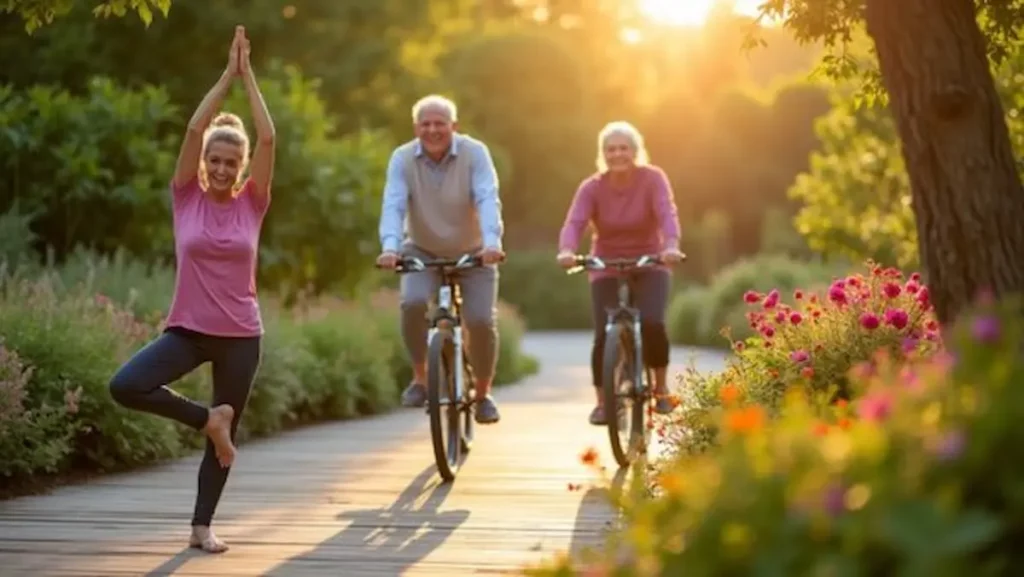
Regular physical activity is one of the most influential factors in how well you age. Movement supports nearly every system in the body, from muscles and bones to the cardiovascular and nervous systems. Staying active enhances mobility, improves balance, and reduces the risk of falls—one of the leading threats to independence in older adults. Even light or moderate activities can strengthen the heart, boost endurance, and keep joints functioning smoothly.
Walking is one of the simplest and safest forms of exercise for active aging. It supports cardiovascular health, enhances circulation, and helps maintain a healthy weight. Swimming is equally beneficial, offering resistance training without placing stress on the joints. Gentle stretching keeps muscles flexible and joints mobile, helping to prevent stiffness and maintain functional range of motion.
Another powerful benefit of staying physically active is the preservation of muscle tissue. As individuals age, muscle mass naturally declines, a process known as sarcopenia. Without consistent movement, this process accelerates, leading to weakness, instability, and reduced ability to perform daily tasks. However, incorporating strength-focused activities—even bodyweight exercises or light resistance bands—can slow muscle loss significantly.
Before beginning any new exercise routine, it’s important to consult a healthcare professional. Personalized guidance ensures each activity is safe, effective, and appropriate for your current health status. This thoughtful approach minimizes injury risk while promoting a sustainable, enjoyable exercise habit that boosts vitality for years to come.
How Balanced Nutrition Fuels Longevity and Vitality
Nutrition is another critical pillar of active aging. While dietary needs shift with age, the body continues to rely on nutrient-dense foods to function at its best. Balanced nutrition supports every aspect of health: energy levels, immune function, muscle repair, bone density, heart health, and even cognitive performance.
A wholesome diet rich in fruits and vegetables provides antioxidants that help combat cellular damage. These nutrients protect against inflammation and support the immune system, which naturally weakens over time. Whole grains offer steady energy and assist in maintaining healthy digestion. Lean proteins—such as fish, poultry, tofu, or legumes—are essential for muscle repair and preservation, especially when paired with physical activity.
Healthy fats from sources like avocados, olive oil, and nuts also play an essential role in supporting brain health. As individuals age, cognitive decline becomes a more significant risk, making these nutrients especially important. Hydration is another vital component of balanced nutrition. Older adults are more susceptible to dehydration due to reduced thirst signals, making conscious water intake crucial for maintaining energy, digestion, and healthy skin.
Portion control becomes equally important. Metabolism tends to slow down with age, which means consuming more calories than the body needs can lead to weight gain, reduced mobility, and increased stress on the cardiovascular system. Instead of restrictive dieting, the goal is mindful eating—choosing foods that nourish and energize rather than deplete.
Consulting a healthcare professional or registered dietitian can help tailor these nutritional strategies to individual needs. Personalized guidance ensures that dietary habits align with overall health goals, medical conditions, and lifestyle preferences, making active aging both safe and effective.
The Importance of Social Connections for a Fulfilling Life
While physical activity and nutrition support the body, social connections nourish the mind and emotional health—two essential components of active aging. Humans are inherently social beings, and meaningful relationships can have a profound impact on longevity, quality of life, and even cognitive resilience.
Maintaining regular communication with family, friends, neighbors, and community groups creates a sense of belonging. This emotional connection reduces feelings of isolation, which can increase the risk of depression, cognitive decline, and reduced motivation. Engaging in conversations, group activities, and shared experiences stimulates the brain in ways that enhance memory, problem-solving abilities, and emotional regulation.
Participating in social activities—such as book clubs, fitness classes, volunteer opportunities, or hobby groups—provides mental stimulation and fosters a positive outlook. These interactions offer routine, purpose, and joy, all essential for emotional well-being. Even small social moments, like chatting with a neighbor or attending a community event, can have significant mental health benefits.
Strong social connections also influence lifestyle choices. People with active social lives are more likely to engage in physical activities, maintain healthy eating habits, and stay motivated in their daily routines. Emotional support from loved ones can encourage individuals to prioritize their health and seek professional help when needed.
Creating and maintaining social ties takes intention, especially as life circumstances change. But investing in relationships pays off through enhanced cognitive health, better emotional stability, and a deeply enriched life experience.
How Physical, Nutritional, and Social Habits Work Together
One of the most remarkable aspects of active aging is how interconnected these habits truly are. Physical activity supports mental clarity and emotional health, making social engagement more enjoyable and accessible. Balanced nutrition fuels the energy needed to stay active and participate in meaningful experiences. Social connections reinforce healthy habits and provide the motivation to maintain them consistently.
These three pillars create a cycle of wellness that strengthens the body, sharpens the mind, and nurtures the spirit. When practiced together, they build a foundation of independence, mobility, and resilience that continues far into older adulthood.
Why Starting Early Makes a Difference—but Starting Now Matters More
While adopting healthy habits earlier in life offers long-term advantages, it is never too late to begin. Research consistently shows that even small lifestyle changes can improve strength, mood, cognition, and overall health at any age. Movement can rebuild muscle, nutrition can restore energy, and social connection can rekindle joy and purpose. The most important step is simply beginning—one walk, one meal, one conversation at a time.
Conclusion
Active aging is a comprehensive approach to living well, maintaining independence, and embracing vitality throughout the years. Regular physical activity strengthens the body and preserves mobility. Balanced nutrition fuels energy, supports cognitive function, and protects overall health. Social connection enriches emotional well-being, reduces isolation, and enhances quality of life. When these three strategies work together, they create a powerful foundation for aging with confidence, strength, and purpose. By prioritizing movement, mindful eating, and meaningful relationships, individuals can transform how they experience aging, ensuring they remain engaged, capable, and vibrant for the long term.