Published on September 25, 2025 at 2:00 PMUpdated on September 25, 2025 at 2:00 PM
Low-impact workouts for seniors have become one of the most trusted and effective ways for older adults to stay active without placing unnecessary stress on their joints. Instead of pushing the body to extremes, these exercises focus on smooth, controlled movement that protects the muscles and connective tissues while still delivering meaningful health benefits. Whether the goal is to build strength, improve mobility, enhance balance, protect cardiovascular health, or simply stay active day-to-day, low-impact exercise offers a safe and sustainable solution.
As adults age, the body experiences natural changes—muscle mass declines, flexibility decreases, and joints may become more sensitive. While these changes are normal, they don’t have to limit independence or quality of life. Low-impact workouts give seniors the opportunity to remain strong, capable, and confident in their movement while reducing injury risk. The best part is that these workouts are truly accessible. Whether at home, in a community center, at a pool, or outdoors, seniors can choose from a variety of gentle yet effective options that fit their needs and preferences.
Walking, swimming, chair yoga, stretching, light hiking, and water aerobics are among the most recommended choices. Each of these low-impact workouts for seniors provides unique benefits, from improved flexibility to stronger cardiovascular endurance. By incorporating them consistently, older adults can enjoy an active lifestyle that supports mobility, independence, and long-term vitality.
The Benefits of Choosing Low-Impact Workouts for Seniors
Low-impact workouts stand out because they provide the right balance between challenge and safety. Seniors get to enjoy the benefits of exercise without worrying about excessive joint pressure or the strain that often accompanies high-impact activities. This makes low-impact routines not only safer but also more sustainable.
Many seniors find that low-impact movement helps reduce stiffness, improve circulation, and restore overall comfort in daily tasks. Strengthening muscles without harsh impact allows the body to move more freely, while improved balance reduces fall risk. Low-impact exercise is also closely linked to better cardiovascular health, improved mood, sharper cognition, and greater energy throughout the day.
Consistency is key. Because these workouts are gentle and enjoyable, seniors often stick with them longer—and long-term adherence dramatically boosts health outcomes. The goal is not intensity; the goal is maintaining movement that supports both physical and mental wellbeing. With consistency, even small daily efforts lead to improvements that ripple into every aspect of life.
Swimming and Water Aerobics for Joint-Friendly Strength and Endurance
Among the most effective low-impact workouts for seniors, swimming and water aerobics offer a unique combination of strength training, cardiovascular conditioning, and joint support. Water naturally reduces pressure on the body, making movement easier and more comfortable while still allowing muscles to work against gentle resistance. This combination of buoyancy and resistance makes aquatic exercise ideal for seniors managing arthritis, stiffness, reduced mobility, or chronic pain.
The water environment promotes smoother, more controlled motion, which helps seniors strengthen their bodies without straining their joints. Swimming supports full-body engagement and increases endurance. Water aerobics adds rhythm and coordination, improving balance and stability in a safe, supportive setting. Many seniors find that exercising in water improves range of motion and reduces discomfort afterward because the joints remain cushioned throughout the workout.
Safety remains an essential part of aquatic exercise. Supervision from trained staff, proper pool hygiene, and access to flotation devices help ensure that the experience is not only effective but also secure. Seniors who have not participated in water exercise before should speak with a healthcare provider beforehand. A quick assessment ensures the chosen aquatic program aligns with individual health needs, especially for those with heart conditions, mobility limitations, or concerns about balance.
When performed consistently, swimming and water aerobics become powerful tools for building strength, improving cardiovascular health, increasing flexibility, and supporting long-term mobility. For many older adults, the water becomes a place of comfort, confidence, and renewed physical freedom.
Chair Yoga and Stretching for Flexibility, Balance, and Daily Ease
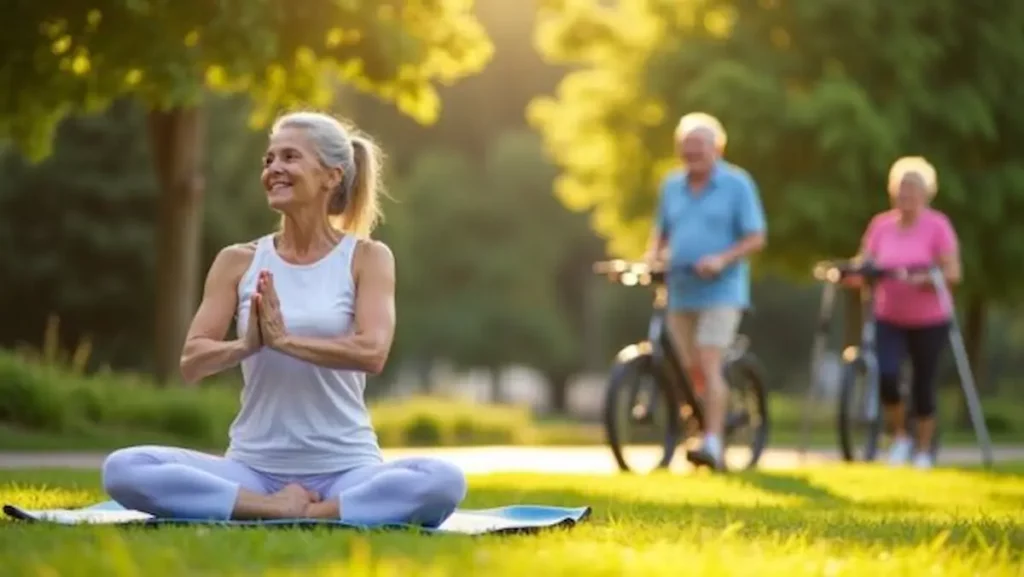
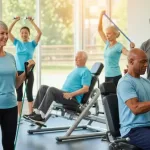
For seniors seeking gentle and accessible low-impact workouts, chair yoga and stretching routines provide an excellent way to maintain mobility and improve posture without overwhelming the body. These practices focus on slow, intentional movement and mindful breathing, helping seniors build strength and flexibility while reducing tension in the muscles and joints. They are particularly beneficial for older adults with balance concerns, arthritis, or limited range of motion.
Chair yoga allows seniors to experience the benefits of traditional yoga poses while seated, eliminating the risk of falls and reducing strain on the knees, hips, and lower back. Seniors can perform stretches, twists, arm movements, and deep breathing exercises while maintaining a stable base of support. This structure makes chair yoga one of the safest and most adaptable forms of low-impact exercise. It promotes relaxation, enhances circulation, reduces stiffness, and supports better posture.
Stretching complements chair yoga by helping the muscles lengthen and relax. Gentle stretches reduce the tightness that often builds up with age and inactivity. Over time, stretching can improve balance by enhancing the body’s ability to move smoothly and confidently in everyday activities. Many seniors find that these exercises help them walk more comfortably, sit for longer periods without stiffness, and maintain better mobility throughout the day.
Because chair yoga and stretching can be performed at home, they are ideal for seniors who want a simple, low-impact routine that requires no equipment. Regular practice contributes to a sense of physical ease, improved joint health, and increased flexibility. Seniors who practice these movements consistently often notice improvements not only in mobility but also in their overall sense of calm and emotional wellbeing.
Walking and Light Hiking to Build Cardiovascular Health and Endurance
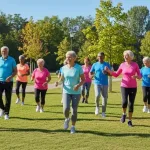
Walking remains one of the most accessible and effective low-impact workouts for seniors, offering an ideal balance of simplicity, safety, and significant health benefits. Whether taken indoors on a treadmill or outdoors in nature, walking strengthens the leg muscles, improves cardiovascular function, enhances balance, and boosts overall endurance. Because the pace is easily adjustable, seniors can tailor their walking routine to their comfort level, gradually increasing duration or intensity as they become stronger.
Light hiking takes the benefits of walking a step further by introducing gentle inclines and natural terrain. This additional variation helps improve coordination and lower-body strength while providing an enjoyable sensory experience. Many seniors find that walking in nature adds mental health benefits, including reduced stress, improved mood, and sharper cognitive function. Natural surroundings encourage deeper breathing and promote a strong sense of wellbeing.
Safety is essential when incorporating walking or hiking into a routine. Choosing flat, well-maintained paths helps reduce fall risk, especially for those with balance concerns. Supportive footwear provides stability and cushioning, making each step more comfortable. Staying hydrated, pacing the walk appropriately, and avoiding uneven surfaces are important for maintaining safety, particularly on warm days or when hiking unfamiliar routes.
Walking, whether on a neighborhood sidewalk, in a park, or on a gentle trail, supports overall physical wellbeing and offers a sustainable way for seniors to stay active. It improves mobility, increases energy, and provides a sense of independence, making it one of the most valuable low-impact workouts for long-term health.
The Power of Consistency in Low-Impact Exercise for Seniors
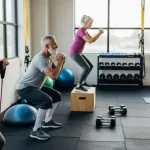
Low-impact workouts for seniors are most effective when performed consistently. Because these exercises are gentle, enjoyable, and adaptable, they support long-term adherence better than higher-intensity routines that may feel intimidating or uncomfortable. The goal is not to achieve large bursts of progress but to maintain regular movement that keeps the body flexible, strong, and steady over time.
Consistency also supports the mind. Exercise releases endorphins, improves sleep, sharpens cognitive function, and reduces stress hormones. When seniors stay active regularly, they experience a cumulative boost in energy, mood, and overall vitality. Even gentle daily movement can transform the way the body feels and functions.
Low-impact exercise becomes a lifestyle rather than a temporary routine. Seniors often discover that as they move more often, they move more confidently. Everyday tasks become easier, pain decreases, and independence increases. This long-term commitment to gentle movement lays the foundation for healthier aging and a more fulfilling, engaged life.
How Low-Impact Exercise Supports Emotional and Social Wellbeing
In addition to its physical benefits, low-impact exercise plays a key role in supporting emotional and social health among seniors. Activities like walking groups, water aerobics classes, chair yoga sessions, and community fitness programs create opportunities for meaningful social interaction. These connections help reduce feelings of loneliness and isolation, which can significantly impact mental health in older adults.
Group activities also add accountability and enjoyment, making it easier to stick to a routine. Seniors who exercise with others often feel more motivated, supported, and connected. These positive experiences contribute to emotional wellbeing, increased confidence, and a stronger sense of purpose.
Whether through shared laughter in a water aerobics class or a friendly walk in the neighborhood, low-impact workouts become more than exercise—they become social and emotional anchors that support healthy aging from the inside out.
Conclusion
Low-impact workouts for seniors offer a safe, enjoyable, and highly effective way to stay active and maintain long-term health. Swimming, water aerobics, chair yoga, stretching, walking, and light hiking each provide unique benefits that support joint health, flexibility, strength, and cardiovascular wellness. These gentle exercises accommodate a wide range of abilities and mobility levels while promoting independence and overall quality of life.
By choosing the right low-impact workouts for seniors and practicing them consistently, older adults can improve physical comfort, boost emotional wellbeing, and maintain the mobility needed to enjoy everyday activities with ease and confidence. These exercises empower seniors to stay active, connected, and vibrant, creating a foundation for healthy aging and a fulfilling lifestyle for years to come.