
Gymwear
Top 5 gym shoes for HIIT workouts
Not sure which gym shoes can handle your most intense HIIT sessions? Discover the top 5 picks that could transform your performance.


If you’re looking to upgrade your workout gear while caring for the planet, choosing the right eco-friendly gym clothing materials is essential. Today’s activewear goes beyond just style and performance—more and more people are prioritizing sustainability when selecting gym clothes. By choosing eco-friendly materials, you not only get durable and comfortable activewear, but you also reduce your environmental footprint.
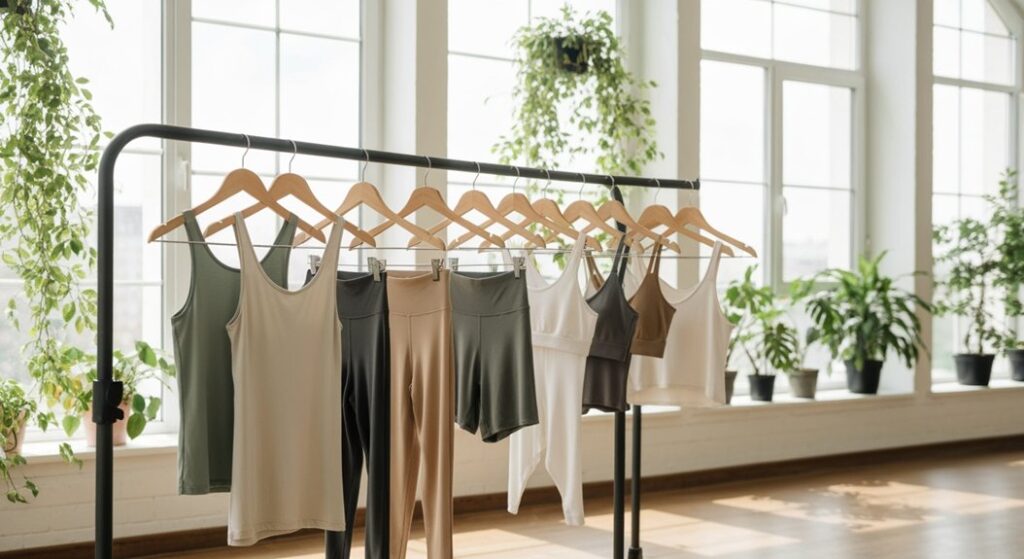
The good news? You don’t have to compromise on comfort, style, or performance to make eco-conscious choices. Several eco-friendly fabrics have proven themselves in both functionality and sustainability. Whether you’re lifting weights, going for a run, or practicing yoga, the materials you wear can make a difference for both you and the planet.
Here are the top five eco-friendly gym clothing materials that combine comfort, performance, and planet-friendly benefits.
One of the most popular sustainable fabrics for activewear is organic cotton. Unlike conventional cotton, which is grown with synthetic pesticides and fertilizers, organic cotton is cultivated naturally. This has several benefits:
For those who want activewear that’s safe for both their skin and the environment, organic cotton is an excellent first choice. Switching to organic cotton is a simple way to make your fitness routine more sustainable, from yoga sessions to strength training.
Recycled polyester is transforming the activewear industry by turning plastic waste, such as discarded water bottles, into high-performance workout gear. This material combines functionality with sustainability in a way that few fabrics can match:
For those who love running, HIIT workouts, or cross-training, gym clothes made with recycled polyester offer excellent performance while also making a positive environmental impact. Choosing recycled polyester is a small step that contributes to a cleaner planet with every workout.
Bamboo fabric has become a rising star in sustainable activewear, and it’s easy to see why. Made from the fast-growing bamboo plant, this fabric offers numerous benefits:
If you’re looking for gym clothing that’s both high-performance and planet-friendly, bamboo fabric is a fantastic choice. Its combination of comfort, breathability, and sustainability makes it suitable for a wide range of exercises, from yoga to running.
Hemp is another sustainable material that’s making its way into gym wear. Known for its durability and environmental friendliness, hemp textiles offer several advantages for active individuals:
Whether you’re cycling, lifting, or running, hemp gym clothes provide reliable performance and sustainability. Choosing hemp textiles supports a cleaner planet while ensuring your activewear stands up to your toughest workouts.
For those who want a premium, eco-friendly option, TENCEL™ Lyocell is an innovative fabric that balances comfort, performance, and sustainability:
TENCEL™ Lyocell gym clothing is ideal for individuals who want activewear that performs well without harming the planet. Its luxurious feel and sustainable production make it a top choice for eco-conscious athletes.
When shopping for eco-friendly activewear, consider these tips:
Choosing the best eco-friendly gym clothing materials is a simple yet impactful way to combine performance with sustainability. Activewear made from organic cotton, recycled polyester, bamboo, hemp, and TENCEL™ Lyocell offers comfort, durability, and breathability, while reducing your environmental footprint.
By investing in sustainable gym clothing, you support eco-friendly manufacturing practices, reduce waste, and enjoy high-performance gear that keeps you cool, dry, and comfortable during every workout. Next time you update your activewear collection, consider these eco-friendly materials—not just for your performance, but for the planet as well.
Every workout becomes more meaningful when your gear supports your fitness goals and the Earth. Make your next gym session a step toward a healthier body and a greener planet.


José Lucas is a lifestyle enthusiast with a background in administration, specializing in the exploration of fitness tools and habit-building strategies. Driven by a commitment to clarity and practical knowledge, he explores the latest solutions in the wellness market to help readers optimize their routines. At TheGymWaves, José shares detailed insights and reviews, connecting people with the best tools to enhance their physical performance and everyday health.
Not sure which gym shoes can handle your most intense HIIT sessions? Discover the top 5 picks that could transform your performance.

Picking the perfect women’s gym shoes for cross-training is trickier than it seems—discover which features truly matter before making your choice.

Prepare to upgrade your gym gear with the top 5 breathable fabrics for workout shirts—discover which materials truly outperform the rest.

Curious if your favorite sneakers can survive a spin cycle? Click to uncover the crucial steps for machine washing your gym shoes the right way.
Jump into the ultimate guide on the 5 best gym shoes for weightlifting and cardio—you won’t believe which pair tops the list.

Choosing the right gym shoes for flat feet women can make all the difference—discover what features you can’t afford to overlook before your next workout.