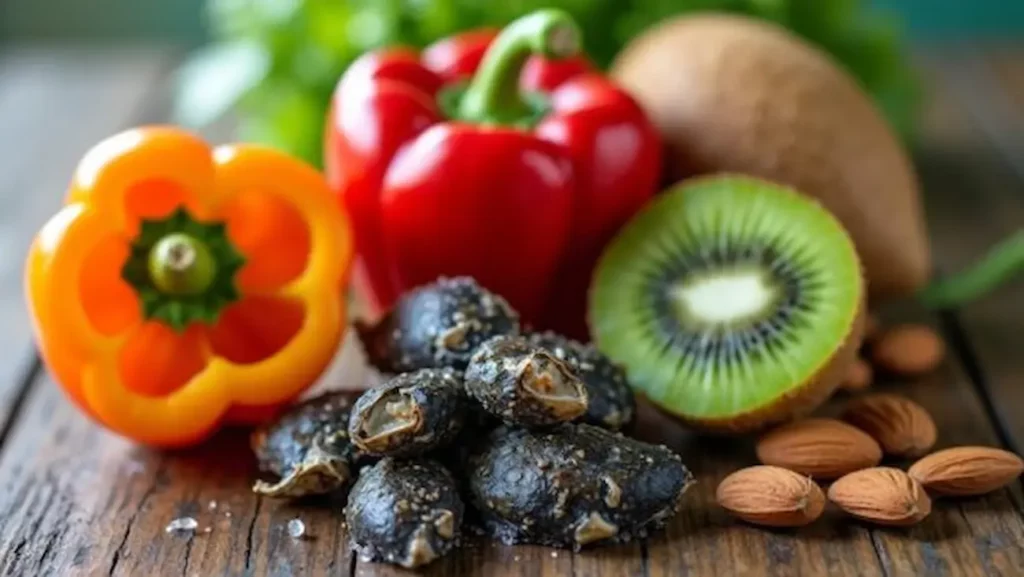
Vitamin C and zinc are often mentioned separately, but together they form a powerful duo that supports immunity, recovery, energy production, and overall wellbeing. While most people know these nutrients are important, few realize how strongly they work together, or how easy it is to find both in simple, everyday foods. Some of these foods quietly pack more nutritional benefits than we realize, offering far more than just flavor on your plate.
The real question becomes: which simple choices can fuel recovery, resilience, and energy at the same time?
Understanding the best natural sources of vitamin C and zinc, and why these nutrients complement each other, can help you build a diet that truly strengthens your health from the inside out.
Why Vitamin C and Zinc Matter (and Why They Work Better Together)
Before exploring individual foods, it’s worth highlighting why vitamin C and zinc are such a powerful pair.
Vitamin C is essential for:
- immune defense and white blood cell activity
- collagen production
- antioxidant protection
- absorption of iron
- skin repair and tissue healing
Zinc, on the other hand, plays a central role in:
- immune cell development
- DNA synthesis
- wound healing
- enzyme activity
- hormone balance
- tissue repair
When consumed together, vitamin C and zinc create a synergistic effect. Vitamin C enhances antioxidant protection while zinc assists in cellular repair, meaning the two work together to strengthen immune responses, accelerate recovery, and support metabolic processes.
With this foundation in mind, let’s explore the foods that naturally deliver these nutrients, and how they contribute to your daily health.
Citrus fruits
Although many fruits contain vitamin C, citrus fruits stand out as some of the richest and most accessible sources. Oranges, lemons, limes, and grapefruits all deliver remarkably high levels of vitamin C, which supports immune function, collagen formation, and skin health.
Vitamin C in citrus fruits helps neutralize free radicals, supports iron absorption, and protects cells from oxidative stress. These benefits are especially valuable during changes in weather, stressful periods, or recovery from physical activity.
However, while citrus fruits excel in vitamin C content, they are relatively low in zinc compared to other food groups. This makes citrus primarily valuable for boosting vitamin C intake while pairing well with zinc-rich foods in meals or snacks.
Even so, incorporating citrus fruits daily, whether in juices, salads, marinades, or consumed fresh, greatly strengthens antioxidant defenses and supports overall immune resilience.
Pumpkin seeds
Pumpkin seeds are a nutrient-dense snack revered for their high zinc content. Zinc is essential for immune support, wound healing, DNA synthesis, and proper hormonal balance. A single serving of pumpkin seeds can help meet a significant portion of daily zinc requirements, making them an excellent staple for anyone looking to increase their intake naturally.
Beyond zinc, pumpkin seeds provide a wide array of valuable nutrients, including magnesium, iron, potassium, healthy fats, and antioxidant compounds. These elements support heart health, reduce inflammation, and assist muscle and nerve function.
Although pumpkin seeds are not a significant source of vitamin C, they combine beautifully with vitamin C–rich foods. For example, pairing them with citrus-based salads or adding them to a kiwi smoothie bowl allows the body to benefit from both nutrients in one meal.
Thanks to their versatility, pumpkin seeds can be added to salads, oatmeal, yogurt bowls, baked goods, or enjoyed on their own as a convenient, nutrient-packed snack.
Kiwi
Kiwi is often underestimated, yet it is one of the most powerful sources of natural vitamin C, often providing more than oranges on a gram-for-gram basis. This small fruit delivers an impressive concentration of antioxidants, fiber, and essential nutrients that support immune function and daily vitality.
Beyond its high vitamin C content, kiwi contains modest levels of zinc, making it one of the few fruits offering both nutrients in meaningful amounts. This combination contributes to wound healing, immune support, and improved skin health.
Kiwi is also rich in dietary fiber, which supports healthy digestion and helps maintain glucose balance. Its antioxidant profile helps shield the body from oxidative damage, making it an effective food for recovery after physical activity or periods of stress.
Incorporating kiwi into a balanced diet, whether eaten fresh, blended into smoothies, added to salads, or paired with nuts and seeds, provides a refreshing and nutrient-dense way to increase both vitamin C and zinc intake naturally.
Shellfish
Shellfish are among the best natural food sources of zinc, often surpassing all other categories. Oysters, clams, and mussels provide exceptionally high zinc levels, making them ideal choices for boosting immune defense, supporting reproductive health, and improving cellular repair.
In addition to zinc, shellfish contain a moderate amount of vitamin C, making them one of the few animal-based options that contribute to both nutrients. Although their vitamin C content is lower than that of fruits, it complements zinc’s biological actions, strengthening immune responses and enhancing antioxidant protection.
Shellfish also offer high-quality protein, omega-3 fatty acids, vitamin B12, iron, and essential minerals that support cardiovascular health, brain function, and muscle recovery.
For those who consume seafood, shellfish serve as a powerful nutrient source that aligns well with a diet focused on resilience, healing, and vitality.
How to Combine Foods High in Vitamin C and Zinc for Maximum Benefit
To get the most out of this nutrient duo, consider pairing vitamin C–rich foods with zinc-rich sources. Some simple, effective combinations include:
- Citrus salad topped with pumpkin seeds
- Kiwi with Greek yogurt and a sprinkle of seeds
- Shellfish served with lemon or lime
- A smoothie blending kiwi, leafy greens, and a spoonful of seeds
Vitamin C enhances absorption of certain minerals and strengthens antioxidant pathways, while zinc supports repair, immunity, and protein synthesis. Together they create a nutritional foundation that boosts resilience, recovery, and daily performance.
Conclusion
Incorporating foods that contain both vitamin C and zinc, such as citrus fruits, kiwi, pumpkin seeds, and shellfish, can significantly enhance overall health and immune support. These nutrients work synergistically to promote skin health, wound healing, collagen formation, cellular function, and defense against free radicals.
A balanced diet that includes these sources ensures optimal nutrient intake and supports energy production, tissue repair, and resilience throughout the day. By emphasizing this powerful combination, you nurture long-term health maintenance and build a stronger foundation for immunity and wellbeing.
Amanda Torati is a linguist and postgraduate researcher who specializes in the intersection of communication and healthy living. With a deep passion for the wellness ecosystem, she uses her academic background to translate complex fitness trends and health research into clear, accessible guides. At TheGymWaves, Amanda is dedicated to providing readers with well-founded information that empowers them to lead more balanced and active lives.