As we age, maintaining independence becomes increasingly important. Functional training for seniors offers a strategic approach to preserving strength, mobility, and confidence in daily activities. Unlike traditional exercise routines, this method focuses on movements that directly translate to everyday life, helping seniors perform tasks with greater ease and safety.
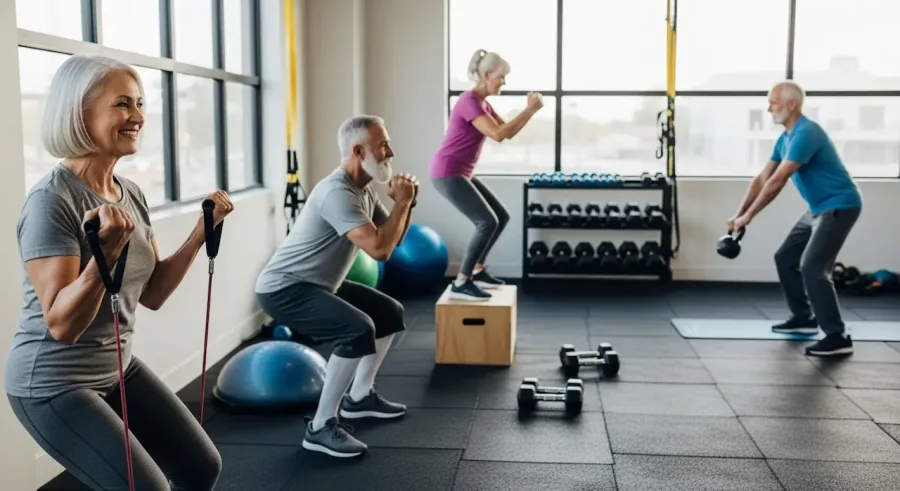
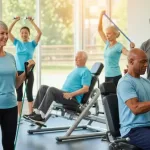
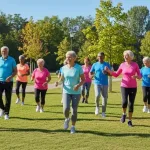
Functional training for seniors (image: Thegymwaves)
The aging process naturally brings challenges to physical movement, but functional training provides a comprehensive solution to combat these limitations. By designing exercises that mirror real-life activities, seniors can maintain their ability to move confidently and independently.
Functional training is a specialized exercise approach that mimics real-life movements. Instead of isolating individual muscles, these exercises engage multiple muscle groups simultaneously, reflecting the way our bodies naturally move during daily activities.
This training method goes beyond traditional strength training by creating a holistic approach to physical fitness. Rather than simply building muscle mass, functional training focuses on improving overall movement patterns, coordination, and practical strength that directly translates to everyday tasks.
Why Functional Training Matters for Seniors
The primary goal of functional training for seniors is to maintain and enhance quality of life. As individuals age, the risk of losing mobility and independence increases, making it crucial to adopt exercise strategies that support ongoing physical capabilities.
Improved balance becomes a critical component of functional training. By strengthening stabilizing muscles and enhancing body awareness, seniors can significantly reduce their risk of falls. These exercises help maintain muscle strength, joint flexibility, and overall body coordination, which are essential for performing daily activities with confidence and ease.
Moreover, functional training addresses the psychological aspects of aging. As seniors become more confident in their physical abilities, they experience reduced anxiety about movement and increased self-assurance in their daily lives.
Essential Functional Movements for Seniors
Functional training incorporates exercises that directly mimic everyday movements. Squats, for instance, simulate the action of sitting and standing, which is crucial for maintaining independence in daily life. These exercises strengthen the legs, core, and improve overall lower body stability.
Step-ups represent another fundamental movement, simulating stair climbing and enhancing leg strength and balance. These exercises not only improve physical capabilities but also boost cardiovascular endurance, helping seniors maintain an active lifestyle.
Reaching and twisting exercises support upper body mobility, helping seniors maintain the ability to perform tasks like reaching for items on shelves or turning safely. These movements are essential for maintaining flexibility and preventing muscle stiffness that often accompanies aging.
Balance exercises play a pivotal role in functional training. By challenging and improving balance, seniors can prevent falls and maintain confidence in their movement. These exercises help develop proprioception, which is the body’s ability to understand its position in space.
Safety Considerations
Safety is paramount in functional training for seniors. The approach requires a careful, progressive implementation that respects individual limitations and capabilities. Starting slowly and gradually increasing intensity allows the body to adapt and build strength without risking injury.
Modifications are key to making functional training accessible. Using support like chairs, resistance bands, or walking aids can help seniors perform exercises safely and effectively. It is always recommended to consult healthcare providers before beginning any new exercise routine, especially for individuals with pre-existing health conditions.
Sample Functional Training Program
A well-designed functional training program for seniors might include a weekly routine that alternates between different types of movements. This could involve squats, wall push-ups, step-ups, resistance band exercises, and gentle stretching.
The focus should be on consistency rather than intensity. Even short, regular sessions can produce significant improvements in strength, balance, and mobility. The goal is to make exercise a sustainable part of one’s lifestyle, not a grueling task.
Integrating Functional Training into Daily Life
One of the most powerful aspects of functional training is its ability to seamlessly integrate into daily activities. Seniors can practice squatting while putting away groceries, perform step-ups on household stairs, or incorporate reaching exercises while organizing spaces.
This approach transforms exercise from a separate activity into a natural part of daily movement, making it more engaging and less intimidating.
Additional Benefits Beyond Physical Fitness
Functional training offers benefits that extend far beyond physical health. The cognitive stimulation of learning new movement patterns can help maintain mental sharpness. The social engagement possible through group classes provides opportunities for interaction and community building.
The mental well-being benefits are significant. As seniors become more confident in their physical abilities, they often experience reduced anxiety about aging and increased overall life satisfaction.
Conclusion: Embracing an Active, Independent Lifestyle
Functional training represents more than just an exercise method, it’s a comprehensive approach to maintaining quality of life as we age. By focusing on practical, life-enhancing movements, seniors can improve strength, enhance balance, increase flexibility, and boost confidence.
The journey of functional training is personal and unique to each individual. It requires patience, consistency, and a positive mindset. Starting small, listening to one’s body, and seeking professional guidance are crucial steps in this transformative process.
Remember, it’s never too late to begin. Functional training offers a path to continued vitality, independence, and joy in the senior years. By investing in physical capabilities today, seniors can ensure a more active, fulfilling tomorrow.
The key is to approach functional training not as a chore, but as an opportunity—an opportunity to maintain independence, stay connected with one’s body, and continue enjoying life’s activities with confidence and ease.