

Exercise
Benefits of Yoga
Gain strength, flexibility, and mental clarity through yoga—discover how this ancient practice transforms your body and mind beyond expectations.


Exercising together can completely transform the rhythm of family life. It goes far beyond fitness routines or calorie burning; it becomes a powerful way to bond, reconnect, and build memories that last. When families choose to move together—whether through simple walks, energetic games, or structured workouts—they create shared experiences that promote communication, teamwork, and long-term wellbeing. The best part is that family exercise does not have to be rigid or complicated. It can be playful, flexible, and easily adapted to different ages, abilities, and schedules. The possibilities are much bigger than most people imagine, and the benefits extend far beyond the workout itself.
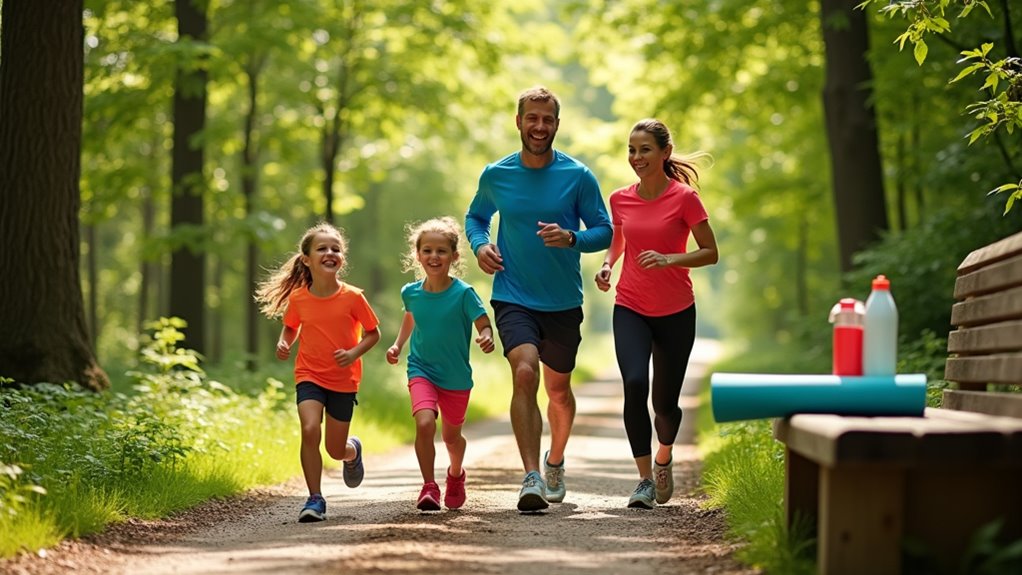
Exercising as a family creates a unique blend of physical, emotional, and relational advantages that individual workouts simply cannot replicate. When families participate in activities together, they develop shared routines that naturally strengthen communication and mutual support. Children observe positive habits modeled by adults, making them more likely to adopt active lifestyles. Meanwhile, parents and guardians enjoy the added benefit of accountability, as participating together motivates everyone to stay consistent.
The emotional impact of shared exercise is profound. Families who move together experience more frequent moments of joy and play, which helps reduce stress and improve collective mood. Children, in particular, feel more secure and confident when exercise becomes a shared family experience rather than a solitary task. This sense of connection enhances their emotional wellbeing and supports their social development.
Physically, the advantages are equally meaningful. Family exercise contributes to stronger cardiovascular health, improved muscular endurance, better coordination, and enhanced mobility for all ages. Even simple activities like walking or stretching can help reduce long-term risks of chronic conditions and boost energy levels throughout the day. Families who exercise regularly often report better sleep, improved focus, and greater overall life satisfaction.
Safety remains an important part of the experience, and shared workouts offer a natural environment for supervising younger participants and ensuring they stay within safe limits. Adults can help guide warm-ups, monitor technique, and encourage smart pacing so that each activity remains enjoyable and injury-free. When handled with care and communication, exercising as a family becomes a supportive, uplifting experience that benefits every generation involved.
Outdoor activities provide the perfect setting for families to build fitness habits while enjoying nature and fresh air. Whether a family lives near city parks, beaches, forests, or suburban neighborhoods, opportunities to move outdoors are abundant and remarkably adaptable. The open environment encourages creativity, exploration, and movement in ways that indoor spaces may not.
Many families find hiking an ideal activity because trails usually accommodate different fitness levels and allow everyone to move at their own pace. Walking along marked paths provides a safe environment for children, while adults can help guide the route and ensure everyone stays properly hydrated and aware of their surroundings. These shared adventures encourage curiosity as children observe plants, wildlife, and changing environments while simultaneously building stamina and balance.
Cycling on dedicated bike paths is another excellent option. Families can choose gentle, flat routes for beginners or slightly more challenging paths for older children and adults. Cycling helps improve cardiovascular endurance, leg strength, and coordination while giving families the chance to explore new areas together. Wearing helmets, adjusting seat heights correctly, and maintaining clear communication during the ride ensures that everyone participates safely.
Playful activities like frisbee, tag, or catch bring a lighthearted energy to outdoor exercise. Children naturally engage with these games, and adults can join in without needing advanced athletic skill. Such activities develop motor skills, agility, and reaction time while giving families a chance to laugh and enjoy quality time. Parents can create simple boundaries or rules that keep everyone safe, especially when playing in open parks or crowded spaces.
Even everyday outdoor moments can become opportunities for fitness. Family walks after dinner, spontaneous backyard dance sessions, or morning stretches on the patio all contribute to improved physical health while maintaining a relaxed, low-pressure atmosphere. These activities reinforce the idea that exercise doesn’t require perfection or intense structure—just willingness, consistency, and a bit of creativity.
Indoor workouts offer families a dependable way to stay active even when weather conditions or busy schedules make outdoor movement difficult. The home environment provides a comfortable, flexible, and familiar space where all ages can participate without the need for specialized equipment. With a bit of imagination, any living room, hallway, or spare area can transform into an engaging mini-fitness zone.
Structured activities such as guided stretching routines, family yoga sessions, or simple aerobic exercises encourage healthy movement while creating a calming, focused atmosphere. Yoga, in particular, supports balance, flexibility, and emotional regulation, making it beneficial for both kids and adults. Videos or voice-guided routines can help families follow along safely while maintaining proper form.
Indoor dance workouts add an energetic twist to family exercise. Turning on upbeat music and encouraging everyone to move freely boosts cardiovascular health while reducing stress. Children often lead the way with creativity, making the session feel more like a party than a workout. Parents can guide basic movements to ensure safety by creating enough space, clearing obstacles, and encouraging smooth transitions between motions.
Low-impact strength exercises can also be integrated into indoor routines. Families can perform bodyweight movements such as squats, wall sits, modified push-ups, or planks in short intervals. These activities build strength and endurance without the need for weights, although light household items—like small pillows or water bottles—can add safe resistance for older participants.
Warm-ups and cool-downs remain essential in indoor routines. Gentle movements help prepare the muscles and joints while reducing the risk of strains or discomfort. By setting clear expectations and emphasizing proper pacing, families can enjoy productive and safe indoor workouts that feel unified and uplifting.
Creating a family exercise routine helps transform physical activity from an occasional event into a long-term lifestyle habit. Establishing consistent times—even if they’re short—signals that movement is a shared priority. Families may choose morning routines for a fresh start, afternoon sessions to release energy, or evening workouts to unwind together. The specific schedule matters less than its consistency.
Communication plays a crucial role in building a successful routine. Family members of all ages should feel comfortable expressing their needs, interests, and limitations. When parents encourage open dialogue, children build confidence in listening to their bodies, recognizing fatigue, and requesting breaks when necessary. This awareness supports safe movement and helps prevent overexertion.
Routines thrive when they remain flexible. Families can adjust the intensity or type of exercise depending on daily demands, emotional states, or energy levels. Some days may call for a high-energy activity; others may require gentle stretching or slower movements. Adaptability helps maintain consistency while preventing burnout or frustration.
Engagement increases when the routine feels enjoyable. Families can alternate activity choices so each person has a chance to lead and introduce something new. This creates a collaborative atmosphere where everyone feels valued and included. Celebrating small successes—like completing a new movement or staying consistent for a week—reinforces motivation and strengthens family unity.
Over time, these routines become more than scheduled workouts. They evolve into shared rituals that contribute to stronger relationships, improved communication, and a natural enthusiasm for staying active together.
Keeping kids active requires a blend of support, creativity, and encouragement. Children gravitate toward activities that feel playful, exciting, and engaging, making it important for adults to present exercise as something fun rather than a chore. When kids view movement positively, they’re far more likely to remain active in the long run.
Parents can help sustain enthusiasm by offering age-appropriate activities that match children’s developmental stages. Younger kids typically flourish with imaginative play—pretending to be animals, superheroes, or adventurers—while older children may enjoy structured challenges, interactive games, or beginner-level sports. The goal is not to push athletic perfection, but to help kids experience joy and confidence through movement.
Positive reinforcement strengthens these habits. Simple acknowledgments like “You did great!” or “I love how hard you tried today!” fuel kids’ motivation. Celebrating their efforts, rather than focusing solely on outcomes, encourages them to keep participating without fear of failure or comparison.
Family involvement enhances children’s engagement significantly. When adults are active participants rather than spectators, kids feel supported, seen, and inspired. Joint activities create opportunities for bonding and help children understand that staying active is a shared family value.
Above all, safety remains essential. Choosing safe spaces, ensuring proper supervision, and paying attention to hydration and technique help kids stay active while minimizing risks. When children feel safe and encouraged, they develop positive associations with exercise that can follow them into adulthood.
Exercising as a family is a powerful and rewarding way to strengthen physical health, deepen relationships, and create lasting memories. Whether exploring outdoor activities, engaging in creative indoor workouts, or establishing consistent routines, families have countless opportunities to enjoy movement together. Encouraging kids to participate through fun, adaptable activities supports their physical development while cultivating lifelong healthy habits. Ultimately, family fitness fosters connection, joy, resilience, and a shared commitment to wellbeing—proof that the best workouts are the ones done together.


Amanda Torati is a linguist and postgraduate researcher who specializes in the intersection of communication and healthy living. With a deep passion for the wellness ecosystem, she uses her academic background to translate complex fitness trends and health research into clear, accessible guides. At TheGymWaves, Amanda is dedicated to providing readers with well-founded information that empowers them to lead more balanced and active lives.
Gain strength, flexibility, and mental clarity through yoga—discover how this ancient practice transforms your body and mind beyond expectations.

How cardio timing impacts your strength gains and fat loss might surprise you—discover the best order to maximize your workouts today.

Jumpstart your fitness journey with essential tips on how to start running safely and effectively—discover what you need to know before you begin.

Why running boosts both your body and mind in surprising ways—discover benefits that go beyond fitness and transform your life.

Offering more than just muscle growth, resistance training transforms your fitness—but what exactly makes it so effective? Discover the key principles inside.

Only by understanding lean mass can you unlock its crucial role in health and fitness—discover what it truly means for your body’s strength and vitality.