Thinking about mental wellbeing for the elderly often brings to mind activities such as reading, doing puzzles, or spending time with family. While all of these are valuable, many people overlook one of the most effective and accessible ways to support emotional and cognitive health: exercise. Physical activity isn’t just about keeping the body strong, it’s also a powerful tool for maintaining and improving mental wellbeing at every stage of life, including the later years.
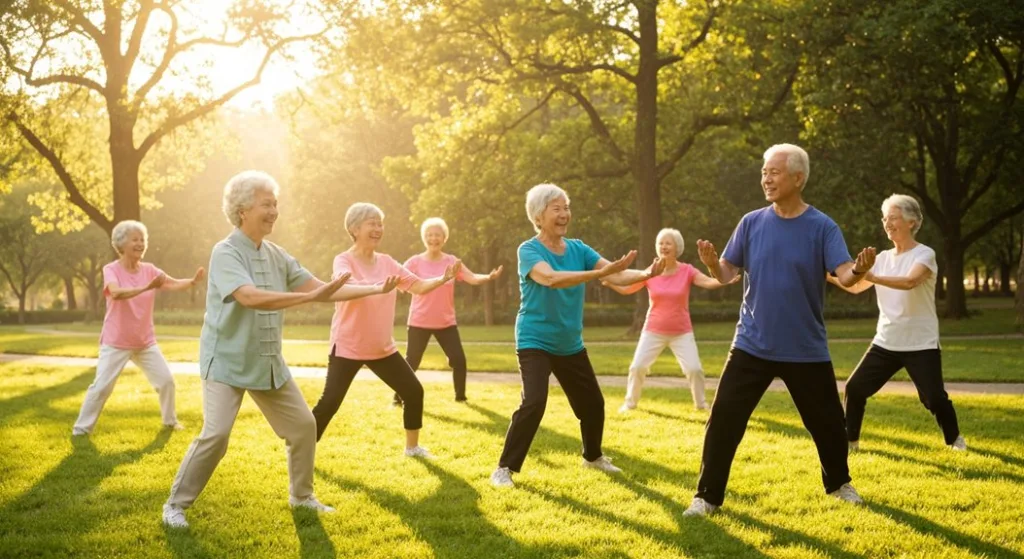
How does exercise help the elderly's mental wellbeing (image: Thegymwaves)
For older adults, exercising regularly can make a remarkable difference in everyday life. Beyond its physical benefits, movement helps lift mood, enhances sleep, sharpens cognitive abilities, and strengthens important social connections. Whether it’s walking with a friend, joining a gentle group class, or doing simple exercises at home, making physical activity part of a routine can dramatically improve mental wellbeing for the elderly. Even small, consistent efforts bring meaningful results.
Supporting Emotional Health Through Physical Activity
One of the most significant ways exercise supports mental wellbeing for the elderly is by reducing feelings of depression and anxiety. These emotional challenges can appear at any age, but older adults are sometimes more vulnerable due to isolation, health concerns, or major life transitions. The good news is that staying physically active is a highly effective and natural way to manage these feelings.
When you engage in regular movement, your body releases endorphins, natural chemicals that act as mood boosters. These endorphins create a sense of calm, reduce stress, and help ease symptoms of anxiety and depression. Over time, maintaining a consistent exercise routine can increase your resilience, give you a more positive outlook on life, and help you cope better with emotional challenges.
Exercise also contributes to emotional health by improving self-confidence. As you reach goals, learn new movements, or regain physical abilities you thought were gone, you naturally feel more capable and motivated. This renewed sense of achievement can have a strong impact on mental wellbeing, especially when paired with social support and healthy habits.
Enhancing Cognitive Function and Memory
Another highly valuable benefit of exercise is its impact on the brain. Enhancing cognitive function and memory becomes increasingly important as we age, and staying active is one of the most effective ways to support long-term brain health.
When you move your body, your heart pumps more blood, delivering oxygen and nutrients directly to the brain. This increased circulation stimulates the growth of new neural connections and supports overall brain function. Over time, regular exercise can help you think more clearly, improve your focus, and increase your ability to process information.
Studies show that seniors who exercise consistently often experience slower cognitive decline and better memory performance. Even moderate activities—like walking, stretching, or gentle yoga—provide powerful benefits for mental clarity. If you want to stay mentally sharp, one of the simplest steps you can take is to incorporate regular physical movement into your daily routine.
Improving Sleep Quality in Older Adults
Good sleep is essential for overall wellbeing, and many older adults struggle with falling asleep, staying asleep, or feeling rested in the morning. That’s why improving sleep quality in older adults is such an important aspect of mental health—and exercise can help tremendously.
Physical activity supports the body’s internal clock, helping you maintain a healthy sleep-wake cycle. Moderate aerobic exercise, such as walking or swimming, makes it easier to fall asleep and stay asleep through the night. When your body expends energy in a natural, healthy way, it becomes more prepared for deep, restorative rest.
Better sleep also leads to sharper thinking, improved mood, and more stable emotions. Many older adults report waking up with more energy, feeling less irritable, and enjoying greater mental clarity after incorporating regular exercise into their routines. By focusing on improving sleep quality, seniors can transform not only their nights but also their days.
Strengthening Social Connections Through Group Activities
Another essential aspect of mental wellbeing for the elderly is staying socially connected. As we age, maintaining friendships and community ties becomes more important—yet sometimes more challenging. This is where exercise offers another major benefit: strengthening social connections through group activities.
Joining a walking club, participating in a dance class, or taking a water aerobics session provides multiple layers of support. These group activities encourage interaction, laughter, teamwork, and shared experiences, all of which help reduce loneliness and build a sense of belonging.
Feeling connected has a direct impact on mental wellbeing. It boosts emotional security, provides motivation, and creates meaningful relationships that support a healthier, happier life. When seniors take part in group exercise, they aren’t just improving their physical health—they’re also nurturing their mental and emotional wellbeing in an enjoyable and natural way.
Boosting Self-Esteem and Independence
Another essential benefit of exercise for older adults is the positive impact it has on self-esteem and independence. Staying active shows you what your body is still capable of, even with age-related changes. Each time you complete a workout, master a new movement, or see progress in your strength and balance, you build confidence in your abilities.
This growing confidence helps support independence, making daily tasks feel more manageable. Older adults who stay active often feel more in control of their lives, more capable of making decisions, and less afraid of physical limitations. Exercise empowers you to maintain autonomy, participate in activities you enjoy, and approach each day with greater self-assurance.
Conclusion
If you’ve ever wondered how exercise helps the elderly’s mental wellbeing, the answer is clear: movement is one of the most powerful ways to support emotional balance, cognitive health, and overall quality of life. Exercise reduces symptoms of anxiety and depression, sharpens memory, improves sleep, strengthens social connections, boosts self-esteem, and promotes independence.
By making physical activity a regular part of daily life, older adults can enjoy increased energy, a more positive outlook, and a greater sense of fulfillment. Whether it’s a walk around the neighborhood, a group fitness class, or gentle stretches at home, every bit of movement contributes to better mental wellbeing. Remember: exercise supports the elderly’s mental wellbeing every step of the way—helping you live each day with more joy, clarity, and confidence.