

Sports
6 Famous Soccer Players of History
Notable names in soccer history have changed the game forever; discover who these six legendary players are and why they remain unforgettable icons.


Few things throw off a basketball game faster than losing control of the ball. One moment your dribble feels smooth and controlled, and the next the ball slips just enough to disrupt your rhythm, derail a play, or cost you a shot. For many athletes, sweaty hands are the hidden challenge behind turnovers, shaky ball handling, and missed opportunities.
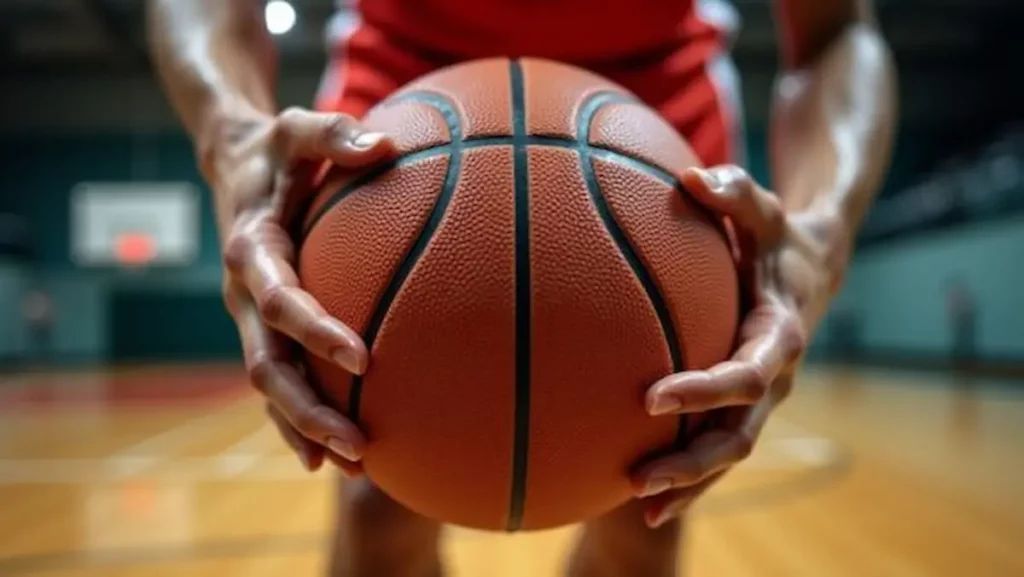
It’s a problem players often feel embarrassed to talk about, yet it affects athletes at every level—from casual pickup players to seasoned competitors. Sweaty hands can be frustrating, but the good news is that the issue is far more manageable than most players realize. With the right understanding and strategy, you can maintain control, protect your confidence, and stay fully focused during intense moments on the court.
Why do sweaty hands happen in the first place, and more importantly, how can you fix the problem without disrupting your game? The key lies in understanding your body’s reaction to stress, heat, and movement, then applying smart pre-game routines and in-game adjustments to keep your grip reliable. Whether you struggle with moisture only in high-pressure moments or deal with consistently sweaty palms, there are practical approaches that can transform your performance.
This complete guide breaks down the causes, preparation techniques, on-court fixes, helpful products, and training strategies so you can handle sweaty hands with confidence and control. By understanding what drives moisture and how to counteract it, you’ll feel more secure with the ball—which leads to better dribbling, cleaner catches, stronger finishes, and a calmer, more composed mindset throughout every game.
Sweaty hands are a perfectly normal physical response, especially during fast-paced, high-energy sports like basketball. As your heart rate rises and adrenaline kicks in, your body activates its cooling system, which includes releasing sweat through the palms. While this is beneficial for regulating temperature, it can create a frustrating challenge when precise ball handling is essential.
Several different factors contribute to the intensity and frequency of hand sweating during basketball. Physical exertion is the most obvious trigger, especially during games played in warm gyms or outdoor courts where airflow is limited. In competitive environments, adrenaline surges increase moisture production as part of the body’s fight-or-flight response. Even highly trained athletes experience this physiological reaction, especially during clutch or high-stakes plays.
Emotional stress also plays a major role. When players feel nervous—whether due to performance anxiety, big crowds, or personal pressure—the hands naturally produce more sweat. This can occur even before the game begins, which is why some athletes notice damp palms during warm-ups.
Individual physiological differences compound the issue. Some people simply have more active sweat glands, and conditions such as hyperhidrosis can lead to excessive sweating that continues regardless of temperature or activity level. While not dangerous, this condition can significantly affect grip, comfort, and confidence on the court.
Understanding the cause behind your sweaty hands is the first step toward finding the most effective solution. Once you identify whether your moisture is triggered by heat, nerves, exertion, or physiology, it becomes much easier to choose the right strategies and tools to maintain consistent grip during every game.
What you do before the game begins has a major impact on how much your hands sweat once the action starts. Players who establish strong pre-game routines often experience significantly better grip control and feel more mentally grounded, which reduces the stress-induced sweating that can sabotage performance.
One of the most effective preparation techniques is applying antiperspirant directly to the palms. Many athletes assume antiperspirant is only for underarms, but its sweat-blocking ingredients work on the hands as well. Using a clinical-strength product the night before and again before warm-ups can noticeably reduce the amount of moisture produced during gameplay. This simple adjustment gives players a head start on control before they even touch the ball.
Proper hydration also plays an important role. While it may seem counterintuitive, drinking too little water can make the body overheat more quickly, triggering excessive sweating as a cooling response. Staying hydrated throughout the day helps regulate temperature and prevent spikes in perspiration once the game begins. Pairing hydration with breathable, moisture-wicking clothing helps stabilize the body’s overall heat levels.
Mental preparation is equally valuable. Anxiety is one of the strongest drivers of sweaty palms, so practicing relaxation techniques—such as deep breathing, visualization, or calm pre-game routines—can steady the nervous system. Many athletes find that a few minutes of slow, controlled breathing before games dramatically reduces stress-induced sweating.
Finally, preparing the hands themselves is essential. Wiping palms with a towel, using grip-enhancing powder, or applying specialized drying products helps remove surface moisture and improves friction before tip-off. These small habits stack together to create a noticeable improvement in grip consistency from the very first possession.
Even with strong preparation, the fast pace of basketball means hands will eventually sweat during the game. What matters most is how quickly and efficiently you manage that moisture when it starts to affect your dribble or shooting form. Simple in-game habits make an enormous difference in maintaining smooth ball handling and steady control.
One of the easiest and most effective techniques is routinely wiping hands on a towel during breaks in play. Many athletes keep a personal towel on the bench or tucked near the scorer’s table for quick access. Even a few seconds of drying can restore friction and prevent slips during crucial possessions. When a towel isn’t available, players often wipe their hands on their jersey or shorts, which can provide instant relief.
Some athletes use wristbands specifically designed to absorb sweat before it reaches the hands. These wristbands act as a buffer, catching moisture that would otherwise flow from the arms onto the palms during intense physical movement. By reducing the overall moisture transfer, they help keep the hands drier for longer periods.
Another useful technique involves quickly shaking or “airing out” the hands. This simple motion helps evaporate surface sweat and provides a momentary reset for players who feel their grip slipping. While it’s not a long-term solution, it can help maintain control during fast transitions or defensive shifts.
Consistently checking your grip during the game is an important habit. Noticing early signs of slippage allows you to dry your hands before mistakes happen, keeping your focus sharp and your ball handling reliable throughout all four quarters.
Modern sports gear has evolved to help athletes handle moisture more effectively, and basketball players have access to several products designed specifically for managing sweaty hands. Using the right tools can dramatically improve grip, boost confidence, and ensure performance remains consistent across different court conditions.
Antiperspirant sprays formulated for hands offer one of the simplest solutions. These sprays reduce sweat production and create a thin, dry layer that enhances grip without leaving residue on the ball. Players often apply them before games and again at halftime to maintain effectiveness.
Grip-enhancing gloves are another option, especially for players who train outdoors or want additional support during casual play. These gloves feature textured surfaces that provide extra friction even when moisture is present. While not permitted in all competitive leagues, they are useful training aids for players who struggle with grip consistency.
Liquid chalk has become increasingly popular among athletes in various sports, and basketball players benefit from its drying properties. It creates a long-lasting friction layer that stays effective even during intense gameplay. Unlike powder, liquid chalk reduces mess and stays in place longer.
Absorbent wristbands serve as both a style accessory and a functional moisture-control tool. They catch sweat running down the arms and prevent it from reaching the hands, reducing the need for frequent drying.
These products make sweaty palms far more manageable, giving players the freedom to focus entirely on the game. With the right combination of gear and routine, grip-related struggles become noticeably easier to control.
While products and preparation help manage moisture, long-term success also comes from strengthening the hands themselves. Developing better grip strength, finger control, and wrist stability increases your ability to control the ball—even when the palms are slightly damp. This type of training builds confidence and resilience in high-pressure environments.
Practicing ball-handling drills with a slightly damp ball is an effective way to simulate real-game challenges. By training under harder conditions, players become more adaptable and skilled at maintaining control regardless of sweat. This method improves sensitivity and responsiveness in the fingers, especially when transitioning between dribbling, passing, and shooting.
Grip-strengthening exercises also make a measurable difference. Using tools such as hand grippers, stress balls, or resistance putty helps build stronger muscles in the fingers and palms. Over time, this increases friction and stability, allowing players to maintain steadier control in fast-paced situations.
Wrist flexibility and stability training contributes to better ball manipulation as well. Exercises that focus on rotation, extension, and controlled resistance enhance precision and reduce strain. A flexible wrist improves dribbling fluidity and catching ability, while a stronger wrist supports more accurate shooting mechanics.
Developing these physical skills transforms grip control from something that depends heavily on moisture levels to something grounded in strength, coordination, and muscle memory. The more prepared your hands and wrists are, the less sweat disrupts your performance during intense moments of play.
While most basketball players deal with occasional sweaty hands, there are times when moisture levels become excessive enough to signal an underlying condition. Understanding when to seek medical advice ensures that players protect their health, comfort, and long-term performance.
If hand sweating becomes so severe that it disrupts everyday tasks—such as writing, using a phone, working, or comfortably shaking hands—it may be due to hyperhidrosis, a condition characterized by excessive sweating unrelated to temperature or activity. This condition can make sports especially challenging and often requires treatment beyond basic home remedies.
Sudden changes in sweating patterns should also be taken seriously. If sweating becomes intense without explanation, or if it is accompanied by symptoms such as dizziness, chest pain, or fever, consulting a healthcare provider is essential. These symptoms may indicate medical issues that require timely evaluation.
A doctor can help identify the cause and suggest treatments such as prescription antiperspirants, medication, or other therapies designed to regulate sweating. Many effective treatments are available, and athletes who seek help often experience significant improvement in both daily life and sports performance.
Managing sweaty hands in basketball is completely achievable with the right combination of preparation, products, and training. Whether your moisture comes from nerves, exertion, temperature, or physiology, practical solutions exist to help you maintain steady control and reliable grip throughout every game. Applying antiperspirant before stepping onto the court, staying hydrated, and using towels or wristbands during play all contribute to a more secure hold on the ball. Training the hands and wrists for strength and flexibility further builds confidence and resilience, ensuring that sweaty palms become far less disruptive to your performance.
While most players can successfully manage moisture with these strategies, those who experience excessive or persistent sweating may benefit from medical guidance to address underlying causes. By taking the issue seriously and combining smart habits with consistent training, players at every level can overcome sweaty hands and maintain smoother dribbling, cleaner catches, and stronger shooting control. With these strategies, you can step onto the court knowing your grip will stay reliable—and your game will stay sharp from start to finish.


Amanda Torati is a linguist and postgraduate researcher who specializes in the intersection of communication and healthy living. With a deep passion for the wellness ecosystem, she uses her academic background to translate complex fitness trends and health research into clear, accessible guides. At TheGymWaves, Amanda is dedicated to providing readers with well-founded information that empowers them to lead more balanced and active lives.
Notable names in soccer history have changed the game forever; discover who these six legendary players are and why they remain unforgettable icons.

Learn about 7 exciting ball sports starting with "L" that challenge skills and strategy in unexpected ways—discover which one might become your new favorite game.
From shoes to protective pads, basketball gear enhances performance and safety—discover why choosing the right equipment matters more than you might think.

Discover the essential gear and tips you need to start tennis confidently—your perfect game begins with knowing what truly matters on the court.

Powerful, poised, and pioneering—discover the 3 best female tennis players whose legacies continue to inspire. Prepare to be amazed by their stories.

The trials basketball players face go beyond injuries and pressure, revealing challenges that test their resilience in ways fans rarely see.