
News
What exercises should seniors avoid? 5 Examples
Growing older means knowing which exercises to skip; discover five risky moves seniors should avoid to stay safe and healthy.


Keeping your knees flexible, strong, and resilient is essential for staying active and enjoying your favorite workouts. Learning how to stretch a knee properly can improve joint mobility, reduce discomfort, prevent injuries, and enhance overall physical performance. Whether you’re lifting weights at the gym, going for a run, or exercising at home, adding knee stretches to your routine is a smart way to protect one of the most important joints in your body.
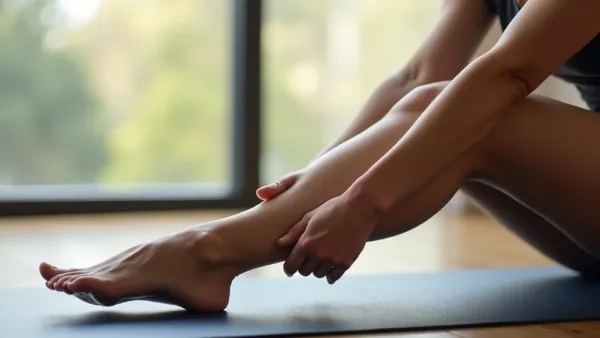
The knee is a complex hinge joint, supported by muscles, tendons, and ligaments. Stretching these surrounding muscles ensures your knees move smoothly and stay stable during daily activities and workouts. By incorporating knee stretches into your fitness regimen, you can enhance flexibility, promote recovery, and prevent common injuries like strains and sprains.
Your knees rely heavily on the strength and flexibility of surrounding muscles, including:
When these muscles are tight or weak, the knee joint experiences more stress during movement, increasing the risk of discomfort or injury. Stretching helps keep muscles limber, promotes joint stability, and maintains healthy blood flow to support recovery.
Proper knee stretches also improve range of motion, which is critical for functional movements like walking, squatting, running, and jumping. Over time, consistent stretching can lead to better performance, reduced stiffness, and stronger, more resilient knees.
Here are some practical stretches targeting the muscles around the knee. These moves are simple, safe, and suitable for beginners and advanced fitness enthusiasts alike:
To get the most out of your knee stretches while avoiding injury, follow these key guidelines:
Stretching your knees isn’t just about improving flexibility, it’s a holistic approach to joint health and overall fitness. Here’s why you should make knee stretches a part of your routine:
Regular stretching keeps your knee joints and surrounding muscles limber. Improved flexibility allows for smoother movements and better workout performance, whether you’re squatting, running, or performing functional exercises.
Sitting for long periods or engaging in high-intensity workouts can lead to tight knees. Stretching reduces stiffness, making it easier to move comfortably throughout the day.
Flexible knees are less prone to strains, sprains, and other injuries. Stretching helps maintain proper alignment and supports joint stability during exercise and everyday activities.
Better knee flexibility translates to improved mobility. Activities like walking, lunging, or climbing stairs become easier and less taxing on your joints.
Stretching after workouts promotes blood flow to the muscles around the knee, aiding in recovery and reducing post-exercise soreness.
You don’t need special equipment or hours of practice to benefit from knee stretches. Incorporate them into your daily routine or workouts with these tips:
By making knee stretches a regular habit, you build stronger, more resilient joints that support a lifetime of movement.
Stretching your knees regularly is a simple yet powerful way to boost flexibility, reduce stiffness, and maintain healthy, resilient joints. Whether you’re hitting the gym, running, or exercising at home, adding knee stretches to your routine supports better movement, prevents injuries, and improves overall performance.
By combining dynamic stretches before workouts, static stretches afterward, and consistent daily mobility work, you create a foundation for strong, flexible knees. This not only enhances your athletic performance but also contributes to a more comfortable, active lifestyle.
Remember, strong and flexible knees are the cornerstone of an active life. Incorporate these stretches consistently, listen to your body, and enjoy the freedom of movement that comes with healthy joints.


Amanda Torati is a linguist and postgraduate researcher who specializes in the intersection of communication and healthy living. With a deep passion for the wellness ecosystem, she uses her academic background to translate complex fitness trends and health research into clear, accessible guides. At TheGymWaves, Amanda is dedicated to providing readers with well-founded information that empowers them to lead more balanced and active lives.
Growing older means knowing which exercises to skip; discover five risky moves seniors should avoid to stay safe and healthy.

Gaining mobility through targeted exercises can transform seniors' lives by enhancing independence and reducing injury risk, but how exactly does it work?

Jumpstart your strength training by syncing workouts with your menstrual cycle—discover the surprising benefits that await when you train with your body’s rhythm.
Learn how stretching before exercise boosts performance and prevents injuries, unlocking benefits you might be missing out on. Discover the key reasons now.
The ultimate guide reveals essential techniques and tips to prevent injuries—discover how simple changes can protect your body and enhance your performance today.

Wondering if stretching after working out is truly mandatory? Discover the surprising benefits and expert insights that might change your routine forever.