

Exercise
Benefits of Yoga
Gain strength, flexibility, and mental clarity through yoga—discover how this ancient practice transforms your body and mind beyond expectations.


Post-workout recovery is often treated as an afterthought, yet it is one of the most important parts of any fitness routine. While most people focus on the workout itself, the period immediately after exercise is where the body begins repairing tissues, restoring balance, and preparing for future sessions. Stretching plays a significant role in this process by enhancing blood flow, reducing muscle tightness, and restoring natural range of motion. When muscles are warm, pliable, and receptive to elongation, stretching becomes far more effective. Incorporating a strategic series of post-workout stretches not only reduces soreness but also improves long-term mobility, posture, and functional movement patterns. The key is choosing stretches that address the areas most affected by exercise, modern lifestyles, and repetitive training.
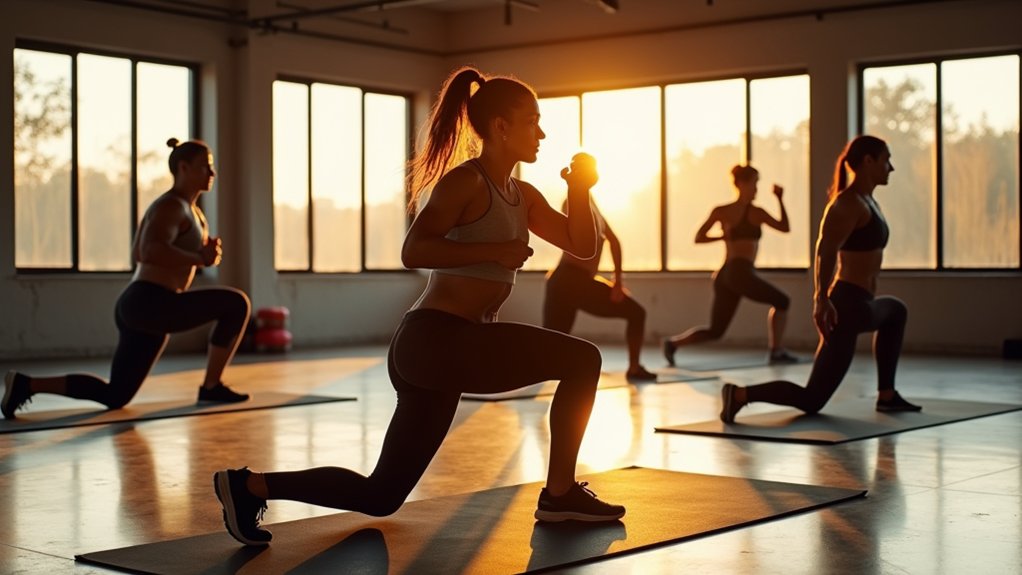
Through careful selection of specific stretches, you can support the major muscle groups that influence nearly every aspect of how your body moves. The five stretches outlined below target the hamstrings, hip flexors, calves, chest and shoulders, and the thoracic spine. These areas often accumulate tension due to exercise volume, desk work, sitting, or poor posture. By giving them attention during your cooldown, you help ensure the body stays balanced, mobile, and ready for your next workout.
Few muscle groups influence overall movement as profoundly as the posterior chain, which includes the hamstrings, glutes, and lower-back muscles. During strength training, running, cycling, and even long hours of sitting, the hamstrings gradually shorten and create tension throughout the entire back line of the body. This tension doesn’t simply cause localized tightness; it can change pelvic alignment, restrict hip mobility, and contribute to lower-back discomfort. The supine hamstring stretch, performed with a strap or towel, is one of the most effective ways to restore length to these muscles directly after exercise.
To perform this stretch correctly, the athlete lies on the back with one leg extended on the mat while the other leg is lifted upward with the help of a strap looped around the foot. As the leg rises, the knee remains slightly soft, avoiding hyperextension, and the pelvis stays neutral so that the stretch targets the hamstring and not the lower spine. When held for at least thirty to forty-five seconds, the stretch begins to release accumulated tension. Performing two to three rounds per side deepens the benefit and supports balanced mechanics across the posterior chain. Over time, this simple stretch improves hip hinge movement, stride length, lifting technique, and flexibility, making it indispensable for long-term performance and comfort.
Hip flexors are among the tightest and most overworked muscle groups for the modern athlete and the everyday individual. Whether you sit for long periods or train with squats, lunges, or cycling, the front of the hip tends to become shortened and stiff. This stiffness directly affects posture and movement. Tight hip flexors can pull the pelvis into an anterior tilt, force the lower back into excessive arching, and reduce the efficiency of hip extension. When left unaddressed, this imbalance can lead to discomfort during daily activities and limit performance during training.
A half-kneeling hip flexor stretch effectively restores length and mobility to this essential muscle group. In a tall half-kneeling position, the exerciser aligns the ribs over the pelvis, tucks the tailbone slightly, and gently shifts forward until a stretch is felt deep in the front of the hip. The key is avoiding lumbar extension, which shifts emphasis away from the hip flexors and into the lower back. When held for thirty to forty-five seconds per side, this stretch helps reverse hours of sitting and the repetitive compression created by squat movements. For an advanced variation, the rear foot can be elevated to intensify the stretch across the rectus femoris, one of the quadriceps muscles that assists in hip flexion. With consistent practice, hip alignment improves, stride mechanics become more efficient, and the lower back feels less strain in both workouts and daily life.
Calf tightness is one of the most persistent issues for runners, lifters, walkers, and anyone who performs repeated lower-body movements. Both the gastrocnemius and the soleus accumulate tension from activities such as sprinting, jumping, hiking, and stair climbing. This tightness often travels upward or downward, contributing to issues such as Achilles discomfort, plantar fasciitis, knee strain, and limited ankle dorsiflexion. Ankle mobility is essential for deep squats, stable landings, smooth walking patterns, and efficient running mechanics, making calf stretching a critical component of a post-workout routine.
The calf wall stretch is performed by placing the hands against a wall and stepping one foot back while keeping the heel pressed firmly into the ground. With the back leg straight, the stretch targets the gastrocnemius. As the body leans gently forward, tension in the calf increases gradually. Holding this position for thirty to forty-five seconds helps release the upper calf muscles effectively. To stretch the deeper soleus muscle, the back knee bends slightly while keeping the heel grounded. This adjustment shifts the stretch downward and targets the tissue that often restricts ankle movement the most. Alternating between both variations ensures comprehensive release. With regular practice, athletes experience improved ankle flexibility, reduced pressure on the Achilles tendon, and smoother movement in exercises that require deep ankle flexion.
Upper-body training, daily sitting, and computer work all contribute to tightness in the chest muscles and the front of the shoulders. Over time, this creates a rounded-shoulder posture, restricts breathing capacity, and compromises shoulder mechanics. Many people experience tension in the neck, upper back, and shoulders without realizing these issues originate from shortened chest muscles. As the chest tightens, the shoulders pull forward, limiting stability and creating imbalances during pushing or overhead exercises. A simple doorway stretch is one of the most effective ways to counteract these modern postural challenges.
To perform this stretch, the individual stands in a doorway with the forearm placed vertically against the doorframe and the elbow bent at a ninety-degree angle. Stepping forward slowly allows the chest to open while the shoulder blade slides gently toward the spine. The stretch should be felt across the chest and the front of the shoulder without creating strain in the lower back. Holding the position for twenty to thirty seconds per side increases muscle extensibility and encourages proper alignment of the shoulder joint. When performed regularly, this stretch improves posture, reduces tension in the upper back and neck, and supports healthier movement patterns during pressing, rowing, and overhead lifting. It also enhances breathing by allowing the rib cage to expand more effectively.
The thoracic spine, located in the mid-back region, is designed for rotation, extension, and controlled movement. Yet it often becomes stiff due to prolonged sitting, poor posture, and repetitive movement patterns that limit rotation. When the thoracic spine loses mobility, other parts of the body begin compensating, especially the lower back and shoulders. This compensation can lead to movement inefficiencies and discomfort during lifting, twisting, or overhead activities. Restoring mobility in this region is essential for maintaining balanced movement and reducing undue stress on the lumbar spine and shoulder joints.
The open-book thoracic rotation stretch is a powerful way to unwind the mid-back after a workout. The stretch begins with the individual lying on one side with knees bent and arms extended forward. As the top arm sweeps across the body toward the floor behind, the thoracic spine rotates gently while the hips remain stacked. The gaze follows the moving arm to encourage deeper rotation. Each repetition concludes with a brief pause at end range while the athlete takes slow breaths, allowing the rib cage and spine to relax into the movement. Performing six to eight repetitions per side gradually restores spinal rotation and reduces stiffness accumulated from strength training or sedentary habits. Over time, this stretch improves posture, enhances shoulder mobility, and helps maintain a healthy, functional spine.
To experience meaningful benefits from these stretches, consistency is essential. A balanced post-workout stretching routine can be completed in less than fifteen minutes, yet its impact on long-term recovery and overall mobility is significant. Stretching when the muscles are warm allows them to lengthen more easily, making this the ideal moment to restore range of motion and reduce tension. Adding the hamstring stretch, hip flexor stretch, calf wall stretch, doorway chest opener, and thoracic rotation to every cooldown supports the entire kinetic chain. These movements work together to ensure the hips remain aligned, the spine stays mobile, and the major joints move through their natural ranges without excessive strain.
Hydration, proper breathing, and relaxation during these stretches also enhance the recovery process. Deep breathing encourages parasympathetic activation, which helps the body shift out of a stress response and into repair mode. Avoiding rushing or forcing positions ensures the muscles lengthen safely and comfortably. With regular practice, most people begin noticing improvements in how they move, how quickly they recover between workouts, and how balanced their posture feels during everyday activities.
Post-workout stretching is one of the simplest yet most powerful habits for enhancing recovery, improving mobility, and supporting long-term athletic performance. The hamstring stretch restores balance along the posterior chain, the hip flexor stretch counters the effects of sitting and heavy squats, and the calf wall stretch protects the ankles and Achilles from excessive tightness. The doorway stretch reopens the chest and shoulders, while the thoracic rotation restores mid-back mobility and encourages optimal spinal alignment. Together, these five stretches create a complete and highly effective cooldown routine that keeps the body flexible, resilient, and ready for the next training session.
When performed consistently, these stretches reduce soreness, prevent stiffness, and extend the longevity of your fitness progress. They allow you to train harder, move better, and feel stronger with less discomfort and greater freedom of movement. Making these stretches a regular part of your routine helps ensure that your workouts don’t end with fatigue, but rather with proactive care that supports every rep, run, lift, or movement still ahead of you.


Amanda Torati is a linguist and postgraduate researcher who specializes in the intersection of communication and healthy living. With a deep passion for the wellness ecosystem, she uses her academic background to translate complex fitness trends and health research into clear, accessible guides. At TheGymWaves, Amanda is dedicated to providing readers with well-founded information that empowers them to lead more balanced and active lives.
Gain strength, flexibility, and mental clarity through yoga—discover how this ancient practice transforms your body and mind beyond expectations.

How cardio timing impacts your strength gains and fat loss might surprise you—discover the best order to maximize your workouts today.

Jumpstart your fitness journey with essential tips on how to start running safely and effectively—discover what you need to know before you begin.

Why running boosts both your body and mind in surprising ways—discover benefits that go beyond fitness and transform your life.

Offering more than just muscle growth, resistance training transforms your fitness—but what exactly makes it so effective? Discover the key principles inside.

Only by understanding lean mass can you unlock its crucial role in health and fitness—discover what it truly means for your body’s strength and vitality.