Published on September 19, 2025 at 2:00 PMUpdated on September 19, 2025 at 2:00 PM
Staying active during pregnancy can feel both exciting and overwhelming. Your body is changing every single week, your energy levels fluctuate, and old routines may no longer feel as comfortable as they once did. Still, incorporating safe exercises to do while pregnant is one of the most empowering things you can do for your health and your baby’s well-being. The key is choosing activities that support your body without adding strain, respecting your limits, and working with the natural progression of pregnancy.
Safe exercises to do during pregnancy support cardiovascular health, boost mood, reduce discomfort, and help prepare your body for labor. But as your center of gravity shifts and your joints become more flexible due to hormonal changes, it becomes essential to choose low-impact options and move with greater intention. This guide explores safe exercises to do pregnant, the science behind their benefits, and the precautions every expecting mother should embrace to stay active with confidence.
Understanding why exercise matters during pregnancy is just as important as choosing the right activities. When you engage in safe exercises to do pregnant, you’re supporting your body in an incredibly dynamic phase. Pregnancy affects cardiovascular function, hormone balance, posture, digestion, and mental health. The right kind of movement can help stabilize these changes.
Regular exercise boosts cardiovascular strength, which is crucial as your blood volume increases and your heart works harder to support both you and your growing baby. Staying active can also help reduce common discomforts such as back pain, swelling, and fatigue. Many pregnant women notice that consistent movement improves digestion, reduces constipation, and stabilizes mood thanks to a steady release of endorphins.
For the baby, safe exercises to do during pregnancy may help improve oxygen flow and circulation. Some studies suggest babies of active mothers may experience benefits in neuromuscular development. These combined advantages emphasize why moderate, pregnancy-appropriate exercise—especially under medical guidance—supports both maternal and fetal well-being.
Guidelines for Safe Pregnancy Workouts
Even though exercise is beneficial, expecting mothers need to follow specific safety guidelines. Pregnancy alters the way your body responds to effort, balance, and temperature, which means workouts that were once second nature can become more challenging. Safe exercises to do pregnant must be chosen with a thoughtful approach.
Staying hydrated is essential because dehydration can affect amniotic fluid levels and increase the risk of cramps or preterm contractions. Avoiding overheating is equally important, especially in the first trimester when core temperature changes can influence fetal development. Wearing breathable clothing and exercising in cool environments can make a big difference.
Pregnant women should avoid contact sports, high-impact activities, or exercises that put pressure on the abdomen. Movements that require lying flat on the back after the first trimester may also cause dizziness or reduced blood flow. Listening to your body is a skill you develop throughout pregnancy, and it becomes the foundation of safe movement. If something feels uncomfortable or unusual, modifying or stopping is always the safest approach.
Above all, consulting your healthcare provider before starting or adjusting any workout routine ensures your chosen activities align with your pregnancy stage and unique medical history.
Prenatal Yoga Poses for Relaxation and Flexibility
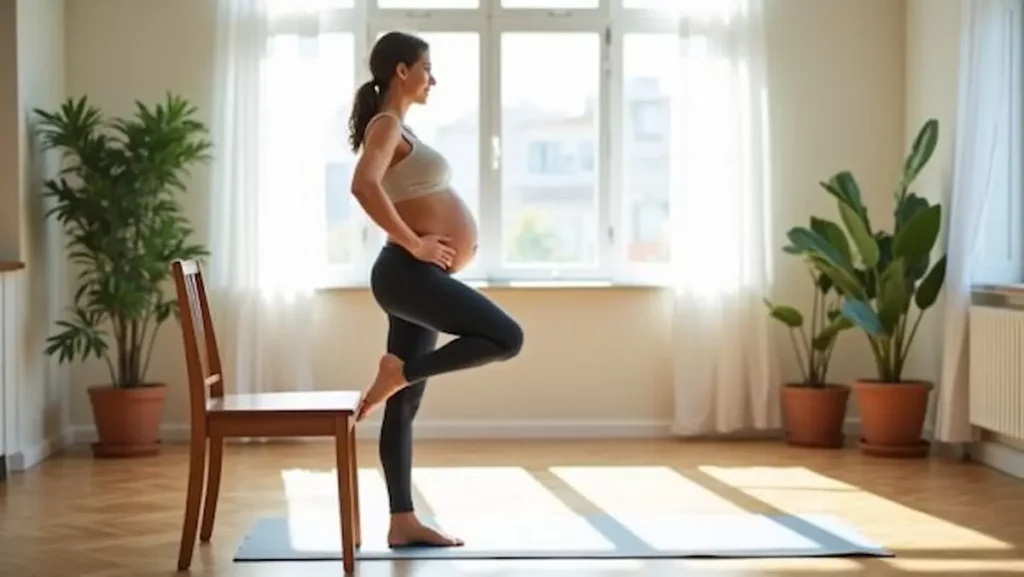
Prenatal yoga is one of the safest and most soothing exercise options available during pregnancy. It promotes gentle stretching, improves flexibility, and enhances body awareness—skills that become invaluable as your body adapts to carrying additional weight. Safe exercises to do pregnant often center on movements that encourage breathing, stability, and relaxation, and prenatal yoga excels in all three areas.
Specific prenatal poses help relieve tension in the hips, lower back, and shoulders, which are common areas of discomfort throughout pregnancy. Controlled breathing used during yoga enhances relaxation, reduces stress, and helps mothers connect more deeply with their changing bodies. These breathing skills may also be incredibly helpful during labor.
Practicing yoga under the guidance of a certified prenatal instructor ensures that every pose supports your physical needs without adding unnecessary strain. Safe yoga poses avoid deep twists, extreme backbends, or anything that compresses the abdomen. With the right guidance, yoga can become a sanctuary for both emotional and physical comfort.
Low-Impact Cardio Exercises to Boost Endurance
Low-impact cardio is one of the most effective ways to support your heart health and energy levels during pregnancy. Activities such as walking, swimming, and stationary cycling offer consistent movement without stressing your joints. Because the body produces more relaxin during pregnancy—which makes joints more flexible and prone to injury—low-impact workouts become the safest choice.
These exercises improve endurance, maintain healthy circulation, and support stable weight gain. They can also help reduce swelling in the legs and feet and improve respiratory function, which becomes especially valuable as the uterus expands and compresses the diaphragm.
Monitoring intensity is essential. An excellent guideline is the “talk test”, if you can carry on a conversation while exercising, you’re likely in a safe zone. Staying hydrated, avoiding high temperatures, and resting when needed ensure that low-impact cardio remains both beneficial and safe throughout pregnancy.
Strength Training With Pregnancy-Safe Modifications
Strength training during pregnancy can be incredibly empowering. When performed with proper modifications, it helps maintain muscle tone, improves posture, and reduces back pain. Safe exercises to do pregnant focus on slow, controlled movements with light to moderate resistance, allowing the body to build strength without unnecessary strain.
Modifications may include reducing weight load, adjusting body position, and avoiding exercises that require lying flat after the first trimester. Standing or seated alternatives can ensure proper blood flow and stability. Prioritizing form over intensity becomes the golden rule.
Strong muscles support your joints, stabilize the spine, and prepare your body for the physical demands of labor, delivery, and postpartum recovery. With the right adjustments and medical clearance, strength training becomes a powerful part of prenatal fitness.
Pelvic Floor Exercises to Support Labor and Recovery
Pelvic floor health is one of the most important—and most overlooked—components of prenatal fitness. Safe exercises to do pregnant almost always include pelvic floor work because these muscles support the uterus, bladder, and bowel. Strengthening them during pregnancy can reduce the risk of urinary incontinence, support posture, and potentially ease labor.
Pelvic floor exercises, including gentle Kegels, help improve muscle tone and control. Because these muscles work alongside the deep core, proper technique is crucial. Over-tightening or doing too many repetitions can cause discomfort, so learning the correct way to engage and release the pelvic floor is essential.
Practicing consistently may result in a smoother postpartum recovery, reduced pressure sensations, and improved stability. Many healthcare providers can offer guidance or refer mothers to pelvic floor physiotherapists who specialize in prenatal and postpartum care.
Swimming and Water Aerobics for Joint-Friendly Fitness
Water-based fitness is an exceptional option for expectant mothers. Because water supports your body weight, swimming and water aerobics reduce joint pressure and make movement feel lighter and more comfortable. These activities provide cardiovascular, muscular, and flexibility benefits without adding stress to the spine or pelvis.
Water helps cool the body naturally, reducing the risk of overheating during exercise. Gentle resistance created by the water supports muscle strengthening in a safe, controlled way. Safe exercises to do pregnant in the pool include water walking, light aerobics, modified swims, and guided classes.
Ensuring the water temperature is comfortable and avoiding intense, rapid movements keeps these workouts pregnancy-safe. Practicing under professional supervision can add an extra layer of safety and confidence.
Walking Tips for Comfortable and Effective Exercise
Walking remains one of the most accessible and reliable safe exercises to do pregnant. It requires no special equipment beyond supportive footwear, and it can be adjusted easily based on your energy levels. Despite its simplicity, walking offers powerful benefits, from improved circulation to stress reduction.
Pregnant women may notice changes in balance and gait due to shifting weight distribution. Maintaining good posture, keeping the shoulders relaxed, and choosing even surfaces can enhance safety and comfort. Walking at a comfortable pace and avoiding steep inclines reduces the risk of strain.
Hydration becomes especially important during outdoor walks, as does dressing appropriately for the weather. Light layers help regulate temperature, and sunscreen adds another layer of protection during sunny days.
Signs to Stop Exercising and When to Consult a Doctor
Knowing when to stop is one of the most important components of prenatal fitness. Safe exercises to do pregnant never ignore warning signs. If you experience dizziness, chest pain, headaches, severe shortness of breath, vaginal bleeding, pelvic pain, fluid leakage, or contractions, stop exercising immediately.
These symptoms may indicate that your body needs rest or medical evaluation. Consulting your healthcare provider promptly helps ensure safety for both you and your baby before resuming physical activity. Trusting your instincts and responding to unusual sensations protects your overall well-being.
Conclusion
Safe exercises to do while pregnant offer incredible benefits, from improved cardiovascular health to strengthened muscles and enhanced flexibility. Activities like walking, swimming, prenatal yoga, and modified strength training provide gentle yet effective ways to support both mother and baby. The key is listening to your body, following prenatal guidelines, and consulting healthcare providers for personalized advice.
Staying active during pregnancy is not about pushing limits—it’s about supporting your body through one of the most transformative experiences of your life. With the right approach, exercise becomes a powerful tool for comfort, confidence, and preparation for the journey to motherhood.