

Sports
6 Famous Soccer Players of History
Notable names in soccer history have changed the game forever; discover who these six legendary players are and why they remain unforgettable icons.


Playing tennis takes more than just showing up with a racket. If you’ve ever asked, “What do I need to play tennis?”, the answer starts with a few essential items: a well-fitted tennis racket, reliable tennis balls, and supportive tennis shoes designed specifically for the court. Add breathable clothing that keeps you cool and moving freely, and you’ll already feel more confident and comfortable in every rally.
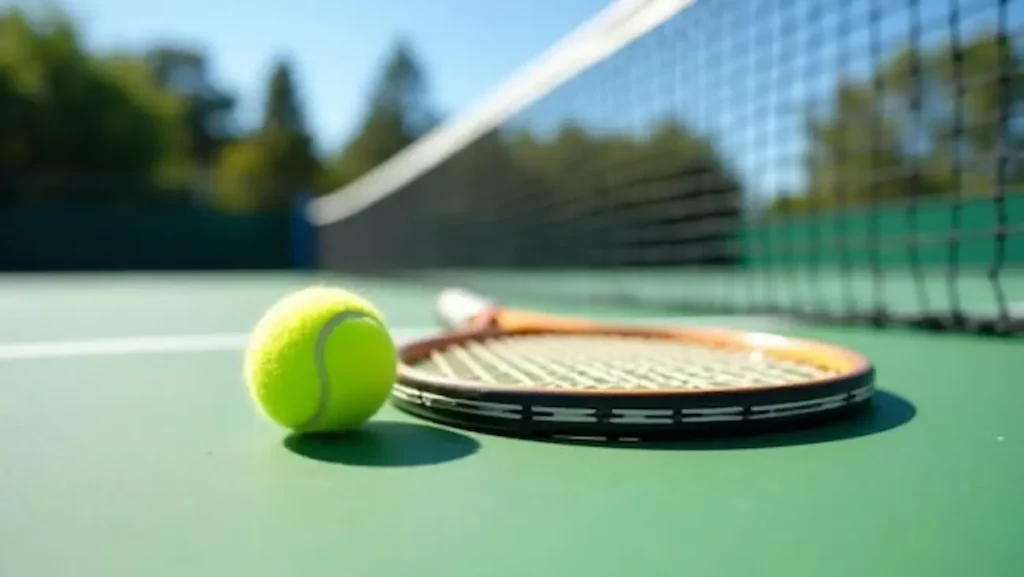
But to truly enjoy the game, you need to understand the interaction between your gear, the court surface, and your playing style. Hard courts, for example, require cushioned shoes to absorb impact, while clay courts demand pairs with extra grip and stability. Small accessories, like overgrips, wristbands, a water bottle, and a towel, can make a surprising difference in staying hydrated, steady, and focused throughout a match.
For beginners, the priority is comfort, fit, and learning the basics. High-end performance gear can come later. More experienced players, however, can fine-tune their game with string tension adjustments, racket dampeners, and specialized performance apparel.
So the next time you wonder, “What do I need to play tennis?”, remember that the right shoes, the right equipment, and the right mindset all work together. With the proper setup, tennis becomes not just a sport, but an enjoyable way to support long-term fitness and wellbeing.
One of the first questions players face is how to select the right tennis racket. A well-chosen racket enhances comfort, improves control, and helps prevent injury.
Testing different rackets is the best way to find the right match for your playing style. Personal preference also plays a major role, as comfort directly affects performance and confidence.
Although tennis rackets are essential, choosing the right tennis balls is just as important for consistent performance.
Selecting balls suited to your court type and skill level ensures a more enjoyable and predictable playing experience.
Proper tennis shoes aren’t optional—they’re essential for performance, comfort, and injury prevention.
Unlike running shoes or casual sneakers, tennis shoes are engineered for quick lateral movement, abrupt stops, and constant direction changes.
Choosing the right pair keeps your body aligned, reduces fatigue, and improves agility.
The clothing you wear directly affects your comfort and performance. Tennis is a high-intensity sport with quick bursts of movement, so your outfit needs to accommodate mobility.
Common choices include polyester blends, mesh-panel tops, tennis skirts or shorts, and moisture-managing socks. When your clothing works with your movement—not against it—you focus better on strategy and technique.
Tennis is played on several surfaces, and each one impacts bounce, speed, and gameplay strategy.
Understanding court types helps players adapt their game, choose appropriate footwear, and improve overall strategy.
Beyond rackets and shoes, a few accessories can significantly improve your tennis experience.
Having the right accessories not only improves comfort but helps maintain consistency during training and matches.
Tennis is a sport built on respect and sportsmanship. Knowing the basics creates a more enjoyable experience for everyone on the court.
Good etiquette ensures fairness and smooth gameplay, making matches more enjoyable regardless of skill level.
Finding the right partner can elevate your enjoyment and help you improve faster.
Consistent communication, shared goals, and compatible schedules help maintain productive partnerships.
In conclusion, playing tennis successfully requires more than just a racket. Choosing the right gear—including a properly fitted racket, high-quality tennis balls, and supportive tennis shoes—lays the foundation for performance and safety. Moisture-wicking clothing keeps you comfortable, while understanding court surfaces helps you select the appropriate footwear and strategy. Accessories such as grips, tennis bags, sweatbands, and hydration tools enhance your overall experience. Learning basic etiquette ensures smooth, respectful gameplay, and finding the right partner or group enriches your tennis journey.
Whether you’re a beginner focused on comfort or an experienced player fine-tuning performance, having the proper gear and knowledge guarantees a more enjoyable, effective, and rewarding time on the court.


Amanda Torati is a linguist and postgraduate researcher who specializes in the intersection of communication and healthy living. With a deep passion for the wellness ecosystem, she uses her academic background to translate complex fitness trends and health research into clear, accessible guides. At TheGymWaves, Amanda is dedicated to providing readers with well-founded information that empowers them to lead more balanced and active lives.
Notable names in soccer history have changed the game forever; discover who these six legendary players are and why they remain unforgettable icons.

Learn about 7 exciting ball sports starting with "L" that challenge skills and strategy in unexpected ways—discover which one might become your new favorite game.
From shoes to protective pads, basketball gear enhances performance and safety—discover why choosing the right equipment matters more than you might think.

Powerful, poised, and pioneering—discover the 3 best female tennis players whose legacies continue to inspire. Prepare to be amazed by their stories.

The trials basketball players face go beyond injuries and pressure, revealing challenges that test their resilience in ways fans rarely see.

Basketball ball basics blend material, size, and surface suitability—but which truly dominates your game? Discover the ultimate choice inside.