

News
What exercises should seniors avoid? 5 Examples
Growing older means knowing which exercises to skip; discover five risky moves seniors should avoid to stay safe and healthy.


Hot yoga is widely praised for its ability to increase flexibility, detoxify the body through sweating, and improve strength. Typically practiced in rooms heated between 90 °F and 105 °F (32 °C–40 °C), this style of yoga challenges the body in ways that standard yoga classes do not.
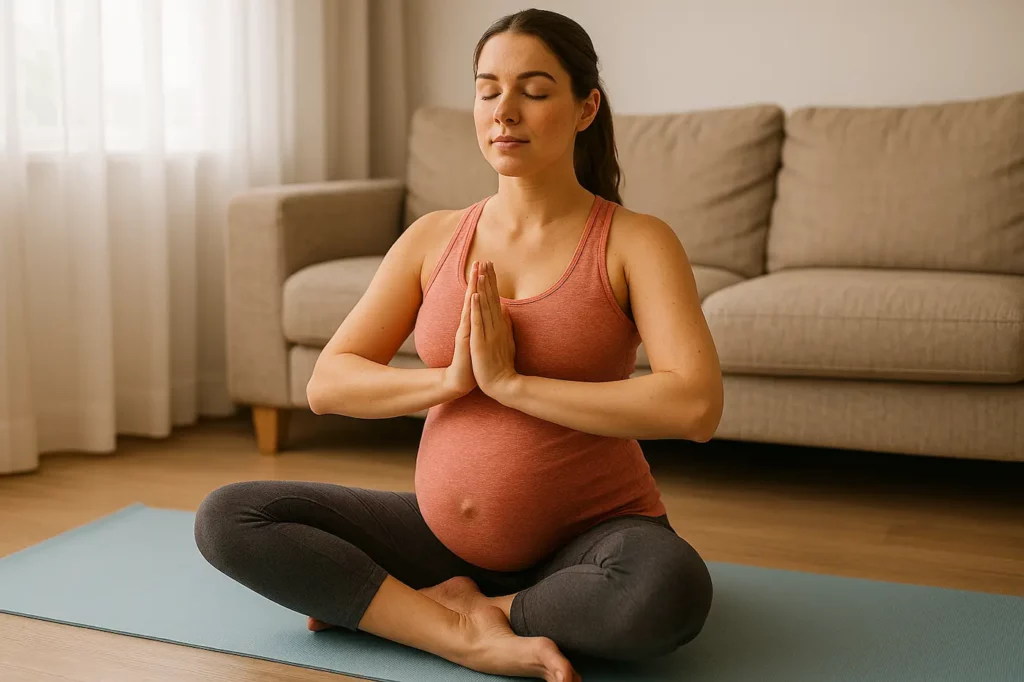
But if you’re expecting, you may be wondering: Can you do hot yoga while pregnant? Pregnancy naturally changes your body’s temperature regulation, heart rate, and circulation, which can increase the risk of overheating and dehydration. While hot yoga may not be suitable for most expectant mothers, there are safer ways to stay active during pregnancy.
Hot yoga involves performing a series of postures in a heated, humid environment. The elevated temperature helps loosen muscles, increases circulation, and can promote detoxification through sweating.
However, the heat and intensity also place additional stress on the body, raising heart rate and core temperature. For pregnant individuals, this increase can be risky because the body may struggle to cool itself effectively, potentially impacting both maternal and fetal health.
Pregnancy brings significant physiological changes that affect how your body responds to heat:
These factors mean that what is considered a safe hot yoga session for a non-pregnant person may pose risks for expectant mothers.
Practicing hot yoga while pregnant can lead to several complications:
For these reasons, many healthcare providers discourage traditional hot yoga for pregnant individuals.
Staying physically active during pregnancy is highly beneficial. Exercise can:
The key is choosing safe, low-risk activities that accommodate your body’s changes.
If you enjoy yoga but want to avoid the risks of hot yoga, consider these alternatives:
These options allow you to stay active while protecting both you and your baby.
Even in cooler yoga classes, certain precautions are essential:
If you experience any of the following symptoms during a session, stop immediately and seek medical advice:
Recognizing these signs is critical for maternal and fetal safety.
Before engaging in any yoga practice during pregnancy, consult your obstetrician or midwife. They can:
Medical clearance ensures that your practice is both effective and safe.
To enjoy the benefits of yoga while minimizing risks:
These strategies help maintain strength, flexibility, and relaxation safely throughout pregnancy.
While hot yoga offers flexibility and detoxification benefits, pregnancy changes how your body handles heat, making traditional hot yoga risky. Overheating, dehydration, and cardiovascular strain can negatively affect both mother and baby.
Expectant mothers are advised to prioritize safer, low-impact activities, such as prenatal yoga, swimming, walking, or gentle stretching. Consulting a healthcare provider and practicing under the guidance of certified prenatal instructors ensures safety and maximizes benefits.
By choosing modified, well-ventilated, and gentle practices, you can stay active, maintain well-being, and support a healthy pregnancy—without the risks associated with high-heat yoga.


Amanda Torati is a linguist and postgraduate researcher who specializes in the intersection of communication and healthy living. With a deep passion for the wellness ecosystem, she uses her academic background to translate complex fitness trends and health research into clear, accessible guides. At TheGymWaves, Amanda is dedicated to providing readers with well-founded information that empowers them to lead more balanced and active lives.
Growing older means knowing which exercises to skip; discover five risky moves seniors should avoid to stay safe and healthy.

Gaining mobility through targeted exercises can transform seniors' lives by enhancing independence and reducing injury risk, but how exactly does it work?

Jumpstart your strength training by syncing workouts with your menstrual cycle—discover the surprising benefits that await when you train with your body’s rhythm.

Get the best techniques to stretch your knee effectively and safely, improving flexibility and preventing injury—discover the key moves you shouldn’t miss.

Learn how stretching before exercise boosts performance and prevents injuries, unlocking benefits you might be missing out on. Discover the key reasons now.
The ultimate guide reveals essential techniques and tips to prevent injuries—discover how simple changes can protect your body and enhance your performance today.