Published on November 7, 2025 at 9:00 AMUpdated on November 7, 2025 at 9:00 AM
Keeping your knees flexible, strong, and resilient is essential for staying active and enjoying your favorite workouts. Learning how to stretch a knee properly can improve joint mobility, reduce discomfort, prevent injuries, and enhance overall physical performance. Whether you’re lifting weights at the gym, going for a run, or exercising at home, adding knee stretches to your routine is a smart way to protect one of the most important joints in your body.
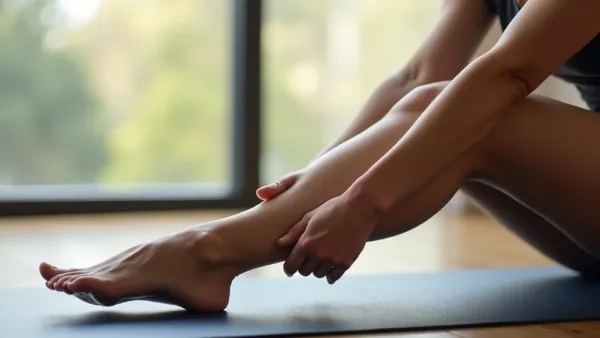
Stretching your knee regularly is a simple yet powerful way to boost flexibility. (Image: TheGymWaves)
The knee is a complex hinge joint, supported by muscles, tendons, and ligaments. Stretching these surrounding muscles ensures your knees move smoothly and stay stable during daily activities and workouts. By incorporating knee stretches into your fitness regimen, you can enhance flexibility, promote recovery, and prevent common injuries like strains and sprains.
Your knees rely heavily on the strength and flexibility of surrounding muscles, including:
Quadriceps: Front thigh muscles that extend the knee.
Hamstrings: Back thigh muscles that bend the knee.
Calves: Muscles that support knee movement and ankle stability.
Hip muscles: Strong hips contribute to proper knee alignment.
When these muscles are tight or weak, the knee joint experiences more stress during movement, increasing the risk of discomfort or injury. Stretching helps keep muscles limber, promotes joint stability, and maintains healthy blood flow to support recovery.
Proper knee stretches also improve range of motion, which is critical for functional movements like walking, squatting, running, and jumping. Over time, consistent stretching can lead to better performance, reduced stiffness, and stronger, more resilient knees.
Easy Knee Stretching Techniques You Can Try Today
Here are some practical stretches targeting the muscles around the knee. These moves are simple, safe, and suitable for beginners and advanced fitness enthusiasts alike:
1. Quadriceps Stretch
Stand on one leg and bend the opposite knee.
Gently pull your heel toward your buttocks, keeping your knees close together.
Hold for 20–30 seconds, then switch legs.
Tip: Keep your core engaged and avoid arching your back to maximize the stretch safely.
2. Hamstring Stretch
Sit on the floor with one leg extended and the other bent.
Reach toward your toes while keeping your back straight.
Hold for 20–30 seconds, then switch sides.
Tip: Focus on a gentle stretch in the back of the knee and thigh without bouncing.
3. Calf Stretch
Stand facing a wall with your hands on it.
Step one foot back and keep it flat on the floor.
Lean forward slightly to feel the stretch in your calf.
Hold for 20–30 seconds, then switch sides.
Tip: Keep your back leg straight and your heel pressed down to maximize the stretch.
4. Seated Knee Extensions
Sit in a chair with your feet flat on the ground.
Slowly straighten one leg until it’s fully extended, then hold for 20 seconds.
Lower your leg and repeat on the other side.
Tip: Perform this stretch after sitting for long periods to relieve stiffness.
5. Standing Quadriceps Stretch
Stand tall and hold onto a chair or wall for balance.
Grab your ankle and gently pull your heel toward your buttocks.
Keep your knees close together and hold for 20–30 seconds.
Switch legs and repeat.
Tip: Avoid tilting your pelvis forward; engage your core for better alignment.
6. Lying Hamstring Stretch with Strap
Lie on your back and loop a yoga strap or towel around the ball of one foot.
Keep your leg straight and gently pull it toward your chest until you feel a stretch in the hamstring and behind the knee.
Hold for 20–30 seconds and switch legs.
Tip: Keep your lower back pressed against the floor to protect your spine.
Tips for Stretching Your Knee Safely and Effectively
To get the most out of your knee stretches while avoiding injury, follow these key guidelines:
Warm up first: Perform light cardio, such as walking or cycling, for 5–10 minutes before stretching.
Stretch gently: Avoid forcing movements that cause pain; a mild stretch is sufficient.
Breathe deeply: Relax your muscles and hold each stretch for 20–30 seconds.
Be consistent: Stretching your knees regularly is more effective than occasional intense sessions.
Listen to your body: If you feel sharp pain or swelling, stop and consult a professional.
Benefits of Stretching Your Knee
Stretching your knees isn’t just about improving flexibility, it’s a holistic approach to joint health and overall fitness. Here’s why you should make knee stretches a part of your routine:
1. Enhances Flexibility
Regular stretching keeps your knee joints and surrounding muscles limber. Improved flexibility allows for smoother movements and better workout performance, whether you’re squatting, running, or performing functional exercises.
2. Reduces Stiffness
Sitting for long periods or engaging in high-intensity workouts can lead to tight knees. Stretching reduces stiffness, making it easier to move comfortably throughout the day.
3. Prevents Injuries
Flexible knees are less prone to strains, sprains, and other injuries. Stretching helps maintain proper alignment and supports joint stability during exercise and everyday activities.
4. Improves Mobility
Better knee flexibility translates to improved mobility. Activities like walking, lunging, or climbing stairs become easier and less taxing on your joints.
5. Supports Recovery
Stretching after workouts promotes blood flow to the muscles around the knee, aiding in recovery and reducing post-exercise soreness.
How to Add Knee Stretching to Your Fitness Routine
You don’t need special equipment or hours of practice to benefit from knee stretches. Incorporate them into your daily routine or workouts with these tips:
Pre-Workout: Perform dynamic stretches, such as leg swings or walking lunges, to loosen up the knee and surrounding muscles before activity.
Post-Workout: Use static stretches (holding positions for 20–30 seconds) to promote recovery and flexibility.
Daily Routine: Even on rest days, spend 5–10 minutes stretching your knees to maintain joint health.
By making knee stretches a regular habit, you build stronger, more resilient joints that support a lifetime of movement.
Extra Tips for Healthy Knees
Strengthen supporting muscles: Exercises like squats, lunges, and leg presses enhance knee stability.
Maintain a healthy weight: Reducing excess pressure on your knees protects against joint strain.
Wear supportive footwear: Proper shoes reduce impact and support correct knee alignment.
Stay active: Regular movement keeps the knee joint lubricated and flexible.
Listen to your body: Persistent pain may require guidance from a physical therapist or healthcare professional.
Conclusion
Stretching your knees regularly is a simple yet powerful way to boost flexibility, reduce stiffness, and maintain healthy, resilient joints. Whether you’re hitting the gym, running, or exercising at home, adding knee stretches to your routine supports better movement, prevents injuries, and improves overall performance.
By combining dynamic stretches before workouts, static stretches afterward, and consistent daily mobility work, you create a foundation for strong, flexible knees. This not only enhances your athletic performance but also contributes to a more comfortable, active lifestyle.
Remember, strong and flexible knees are the cornerstone of an active life. Incorporate these stretches consistently, listen to your body, and enjoy the freedom of movement that comes with healthy joints.