

News
What exercises should seniors avoid? 5 Examples
Growing older means knowing which exercises to skip; discover five risky moves seniors should avoid to stay safe and healthy.


When it comes to fitness tips, one question pops up again and again: Is stretching after a workout truly mandatory? It’s an incredibly common doubt, especially for people who want to build an effective and sustainable fitness routine without wasting time or skipping important steps. The truth is that stretching after a workout isn’t a strict requirement for everyone, but understanding why it matters can help you make smarter choices about what your body needs. Stretching offers meaningful benefits, and knowing how it works allows you to shape a post-workout routine that supports your goals while keeping your body feeling mobile, comfortable, and strong.

Stretching after a workout plays a unique role in how your muscles recover and how your energy levels transition from movement to rest. Although not mandatory, it has the potential to improve flexibility, reduce tension, and create a calming finish to any training session. To decide whether you should include it in your routine, it’s important to explore what stretching really does, who benefits from it most, and how to make it effective without adding unnecessary stress to your fitness journey.
Stretching after exercise can be incredibly beneficial because it helps the body switch from a state of high activity to one of rest and restoration. During a workout—whether you’re lifting weights, doing cardio, or completing a mix of both—your muscles contract repeatedly. This contraction shortens the muscle fibers and builds tension throughout your body. When you stretch after training, you encourage those muscles to gently lengthen again, releasing that built-up tightness.
This lengthening process makes you feel more relaxed and less tense, which is why many people consider stretching a soothing part of the cool-down phase. Over time, consistently stretching after exercise can improve flexibility, help maintain healthy joints, and reduce the stiffness that often shows up hours after a tough workout. These benefits aren’t instant, but the long-term improvements in mobility can make movement easier and more enjoyable.
Stretching after a workout can also support recovery by promoting better circulation. When blood flows more freely through your muscles, nutrients and oxygen reach the tissues more quickly, which may aid the natural repair process. This doesn’t mean stretching eliminates soreness, but it can make your body feel lighter, more balanced, and ready for your next session. For many people, this sense of ease is reason enough to make post-workout stretching part of their routine.
While stretching after exercise is not mandatory, it’s incredibly helpful for certain people and training styles. If your workouts tend to be intense or require explosive movements, stretching afterward can prevent your muscles from feeling overly tight as they cool down. High-intensity interval training, strength workouts, running, cycling, and fast-paced gym sessions often create muscle tension that stretching can help relieve.
People who want to improve their flexibility or mobility will find post-workout stretching especially valuable because muscles are naturally warmer and more pliable after exercise. This warmth makes it easier to lengthen muscle fibers safely, which is why many trainers recommend stretching at the end of a workout rather than the beginning. If you have long-term goals like touching your toes, improving hip mobility, or increasing shoulder range of motion, stretching after your workout is an ideal time to make progress.
Stretching is also beneficial for people who experience tightness from daily habits outside the gym. Hours spent sitting, standing, or working in a fixed position can shorten muscles and create stiffness in the back, hips, neck, and legs. For individuals with these issues, adding stretching after—even lighter workouts—can help offset the tension built up throughout the day.
On the other hand, if your workout was short, low-intensity, or mostly centered around mobility work, stretching afterward may be less crucial. It still feels good and may enhance your sense of relaxation, but skipping it won’t sabotage your progress. What matters most is tuning into your body and making decisions based on how you feel, not following rigid rules.
The period immediately following exercise is a unique time for your body. Your heart rate is elevated, your muscles are warm, and your nervous system is gradually shifting away from high alert. This transition makes post-workout stretching an especially effective tool for calming your body. Although stretching doesn’t directly repair muscle fibers, it encourages a smoother recovery process by reducing overall muscle tension and creating a steady decline in intensity.
When you stretch your muscles after training, you help restore their natural length, which can improve your posture and reduce the feeling of tightness that often follows resistance exercises. Many people confuse normal post-workout tightness with injury, but in most cases, it’s simply a natural response to muscle contractions. Stretching works as a gentle reset.
Another advantage of stretching after a workout is its connection to the parasympathetic nervous system, also known as the “rest and digest” mode. As you hold stretches and breathe deeply, your body begins to relax, shifting away from the adrenaline-driven state of exercise. This relaxation can make your recovery smoother, lower your stress levels, and even help regulate your breathing after an intense workout.
Stretching also gives you a moment to evaluate how your body feels. You may notice areas that are tighter than usual, discover potential imbalances, or identify spots that need extra recovery attention. This awareness helps prevent injuries and ensures you’re taking care of your body in a way that supports long-term fitness success.
Stretching after a workout doesn’t have to be complicated. In fact, the best post-workout stretches are simple, intentional, and focused on the muscles you just worked. The goal is not to force flexibility but to release tension and maintain mobility. Stretching should always feel gentle, never painful, and always aligned with your current abilities.
Holding each stretch for about twenty to thirty seconds allows your muscles to relax into the movement. You don’t need to bounce or pull aggressively; in fact, stretching too forcefully can cause the muscle to tighten instead of release. Smooth breathing helps tremendously during post-workout stretching. When you inhale deeply, your muscles supply themselves with oxygen. When you exhale slowly, your body relaxes further, allowing a deeper but still comfortable stretch.
Focusing on the main muscle groups you used during your workout helps maximize the benefits. If you trained legs, give your hamstrings, quads, calves, and hips some attention. If you trained upper body, stretch your chest, shoulders, back, and arms. If your session involved full-body movement, choose stretches that help you feel balanced and relaxed from head to toe.
The key is consistency. Even a few minutes of stretching after each workout can make a significant difference over time. Little by little, your muscles become more mobile, your joints feel freer, and your overall performance improves.
Absolutely. Stretching after a workout offers amazing benefits, but skipping it occasionally won’t harm your progress or compromise your fitness goals. Life gets busy. Sometimes your workout runs long, you’re short on time, or you simply don’t feel like stretching afterward. None of these situations will sabotage your long-term results.
Skipping stretching becomes problematic only when your body consistently signals tightness and you don’t address it. If your muscles feel stiff, your range of motion is decreasing, or certain movements feel uncomfortable, it’s a sign your body would benefit from a regular stretching habit. Listening to these signals and responding accordingly is more important than sticking to a strict routine.
The most effective fitness routines are personalized, flexible, and built around your lifestyle—not restrictive or rigid. Stretching should enhance your workouts, not feel like an obligation. Understanding when it’s helpful and when it can be skipped gives you more freedom and control over your fitness journey.
Stretching after a workout isn’t just about physical performance. It also offers a mental and emotional benefit that many people overlook. Taking a few minutes to stretch allows you to slow down, breathe intentionally, and appreciate the effort you just put into your workout. This moment of mindfulness strengthens your connection to your body and creates a positive relationship with your fitness routine.
This mindful cooldown can directly impact your motivation. Instead of ending your workout abruptly, stretching gives you a gentle, satisfying closure. It signals to your brain that you completed something meaningful, making you more excited to return the next day. Fitness is as much about mindset as it is about effort, and stretching supports both.
Long-term fitness also requires balanced muscles, healthy joints, and proper movement patterns. Stretching contributes to all three by maintaining mobility and preventing tension from limiting your range of motion. When your body moves freely, exercises feel easier, workouts become more enjoyable, and your risk of injury decreases. These long-term benefits make stretching a worthwhile addition to your routine, even if it’s not mandatory.
Stretching after a workout isn’t mandatory, but it can be a powerful tool for improving flexibility, releasing tension, promoting recovery, and creating a calmer end to your training session. The key is to listen to your body, stay aware of its needs, and include stretching in a way that feels supportive—not pressured.
If you love stretching because it makes your body feel relaxed and open, make it part of your routine. If you skip it occasionally because life gets busy, that’s perfectly okay too. What truly matters is consistency in your workouts, balance in your habits, and choosing a fitness routine that energizes rather than overwhelms you.
Stretch when you can. Listen to your body. Keep moving. And enjoy every step of your fitness journey with confidence and strength.


Amanda Torati is a linguist and postgraduate researcher who specializes in the intersection of communication and healthy living. With a deep passion for the wellness ecosystem, she uses her academic background to translate complex fitness trends and health research into clear, accessible guides. At TheGymWaves, Amanda is dedicated to providing readers with well-founded information that empowers them to lead more balanced and active lives.
Growing older means knowing which exercises to skip; discover five risky moves seniors should avoid to stay safe and healthy.

Gaining mobility through targeted exercises can transform seniors' lives by enhancing independence and reducing injury risk, but how exactly does it work?

Jumpstart your strength training by syncing workouts with your menstrual cycle—discover the surprising benefits that await when you train with your body’s rhythm.

Get the best techniques to stretch your knee effectively and safely, improving flexibility and preventing injury—discover the key moves you shouldn’t miss.
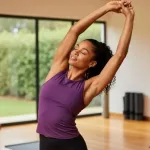
Learn how stretching before exercise boosts performance and prevents injuries, unlocking benefits you might be missing out on. Discover the key reasons now.
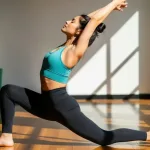
The ultimate guide reveals essential techniques and tips to prevent injuries—discover how simple changes can protect your body and enhance your performance today.