

News
What exercises should seniors avoid? 5 Examples
Growing older means knowing which exercises to skip; discover five risky moves seniors should avoid to stay safe and healthy.


Hatha Yoga offers a steady and grounding path back to yourself. It reconnects body and mind through a harmonious blend of physical movement, conscious breathing, and intentional stillness. Unlike fast-paced forms of yoga, Hatha prioritizes spaciousness over speed, presence over intensity, and mindful awareness over performance. It builds strength without pushing the body into strain and cultivates calm without demanding complete stillness. Its gentle yet powerful nature makes the practice accessible to beginners while still offering depth and refinement for seasoned practitioners. At its heart, Hatha Yoga helps you slow down, notice your breath, and rediscover balance in a world that often feels hurried.
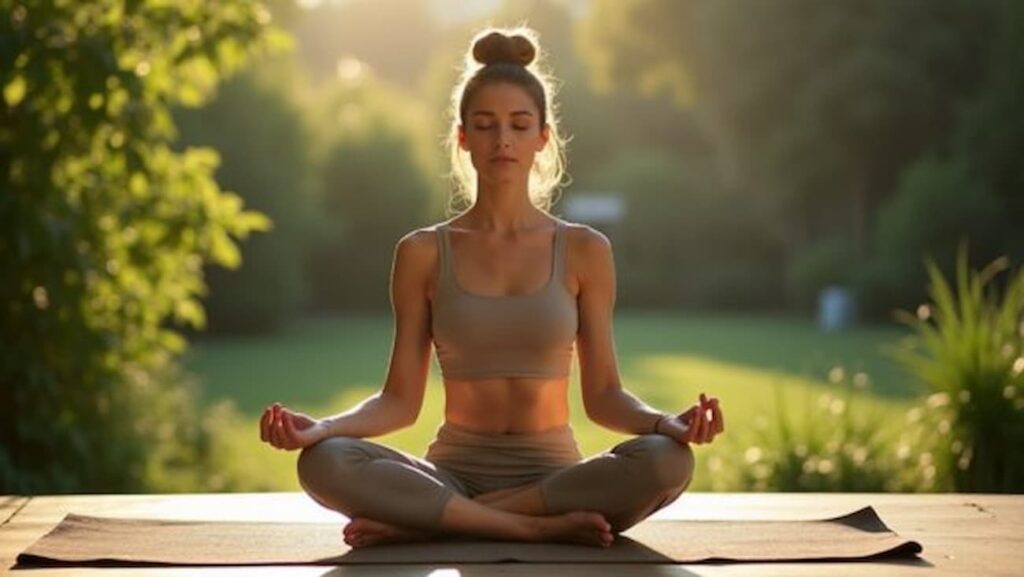
The true beauty of Hatha Yoga is found in the quiet transformation that takes place over time. A simple posture becomes a reminder to stand tall in daily life. A mindful breath becomes a tool for settling racing thoughts. A moment of presence on the mat becomes a moment of clarity off of it. Through these subtle shifts, Hatha Yoga becomes far more than a physical practice. It becomes a way of moving, breathing, and living more consciously. To truly understand the richness of this tradition, it helps to explore where it comes from, what it teaches, and how it supports the body and mind in profound and lasting ways.
Hatha Yoga originated in medieval India as part of a larger path toward physical, mental, and energetic balance. Emerging around the 11th and 12th centuries, it was shaped by influential texts such as the Hatha Yoga Pradipika, the Shiva Samhita, and the Gheranda Samhita. In these early writings, Hatha Yoga was described as a complete system involving physical postures, cleansing rituals, breath control, concentration, and meditation. These practices were designed to prepare the body for deeper spiritual work by cultivating steadiness, resilience, and internal clarity.
The word “Hatha” itself carries symbolic meaning. Traditionally, “ha” represents the sun and “tha” represents the moon, two complementary energies within the body. Hatha Yoga aimed to harmonize these forces through gradual and mindful practice. Its approach encouraged practitioners to expand capacity slowly, avoid force, and prioritize balance over ambition. This gentle yet structured progression protected the body from injury and allowed students to approach physical and energetic work safely and sustainably.
Over time, Hatha Yoga evolved and spread beyond monastic environments into broader communities. Its adaptability, simplicity, and emphasis on holistic well-being helped it flourish worldwide. As Hatha reached the West in the 19th and 20th centuries, teachers further refined the physical postures and techniques, making them more accessible to everyday practitioners. Today, Hatha Yoga remains one of the most widely taught and practiced styles globally, valued for its grounding pace, clear structure, and welcoming approach for beginners and advanced students alike. Despite modern variations, its roots in balance, awareness, and safe progression remain central to the practice.
At its foundation, Hatha Yoga is built upon a triad of essential components: physical postures, breath regulation, and meditative awareness. These three elements work together to create harmony between the body and mind, allowing practitioners to experience both strength and ease during and after practice. The postures, or asanas, are designed to cultivate stability, flexibility, and alignment. They are performed slowly and mindfully so practitioners can explore each movement with care, refining posture, breath, and focus without rushing.
Breathwork, known as pranayama, plays an equally important role. In Hatha Yoga, breathing is never incidental. Instead, it serves as the bridge between body and mind, guiding rhythm, awareness, and energetic flow. Controlled breathing techniques support relaxation, mental clarity, and emotional steadiness. When breath and movement work together, practitioners experience a deeper sense of presence and internal balance.
Meditation brings all elements of the practice into alignment. Hatha Yoga encourages moments of stillness, reflection, and introspection, inviting practitioners to observe sensations, thoughts, and emotions without judgment. These moments strengthen mental resilience and cultivate awareness that extends beyond the mat. Respect for the body’s limits is woven throughout the practice. Teachers emphasize proper alignment and gradual progression, encouraging individuals to listen closely to their bodies and avoid pushing into pain or exhaustion. This combination of strength, mindfulness, and safety makes Hatha Yoga an accessible and sustainable practice for all ages and fitness levels.
The benefits of Hatha Yoga reach far beyond increased flexibility. Through consistent practice, the body becomes stronger, more balanced, and more resilient. Postures help lengthen tight muscles, loosen stiff joints, and improve overall mobility, making everyday movements more comfortable and fluid. Strength develops naturally as the body learns to support itself through standing poses, gentle backbends, and controlled transitions. Unlike high-intensity workouts, this strength builds in a supportive way, nurturing rather than overwhelming the body.
Balance also improves significantly through Hatha Yoga. Many poses require steady focus and body awareness, both of which enhance physical stability and reduce the risk of falls or injuries. Over time, these improvements translate into better posture, smoother coordination, and greater physical confidence.
Mentally and emotionally, Hatha Yoga offers profound support. The slow, steady pace of the practice encourages relaxation and stress reduction. Breathing techniques regulate the nervous system, easing anxiety and helping practitioners unwind both during and after sessions. Clarity often increases as the mind becomes more focused and less scattered. Many practitioners report feeling calmer, more patient, and more centered even after a short practice.
The emotional benefits extend further into improved mood, better sleep, and increased self-awareness. Because Hatha Yoga emphasizes mindful attention to sensations and thoughts, practitioners develop tools for managing stress and regulating emotions more effectively. This brings a sense of balance that complements the physical improvements and contributes to long-term well-being.
Hatha Yoga includes a collection of foundational postures that form the backbone of many classes. These poses introduce practitioners to alignment, breath awareness, and mindful movement. Mountain Pose teaches grounding and posture awareness, offering a baseline for standing positions. Downward Dog lengthens the spine, eases tension in the back, and strengthens the upper body while encouraging deep, steady breathing. Warrior poses build strength in the legs and core, fostering stability, focus, and confidence.
Forward folds gently stretch the back and hamstrings, offering a calming effect on the nervous system. Bridge Pose supports spinal mobility and strengthens the glutes and back muscles. Seated positions such as Easy Pose or Staff Pose help develop posture awareness and invite moments of meditation. Through these poses, practitioners learn to move intentionally and listen closely to the body’s signals. Proper form and mindful attention help prevent strain and promote safe, steady progress, making the practice suitable even for complete beginners.
Beginning a Hatha Yoga practice can be both exciting and approachable. Starting with short, gentle sessions helps the body adapt gradually and allows beginners to develop familiarity with basic poses. Many people choose to attend in-person classes with a qualified instructor who can offer guidance, alignment support, and personalized adjustments. Others prefer high-quality online classes or guided videos that provide structured sequences and clear explanations.
The early stages of practice should focus on comfort, breath awareness, and cultivating a non-judgmental attitude. Listening to the body is essential, as pushing into discomfort can create unnecessary strain. Beginners often find that progress becomes more noticeable when they let go of expectations and focus instead on consistency.
A dedicated space at home, even a small one, can enhance the experience by creating a calm environment that supports regular practice. Over time, sessions can become longer or incorporate more advanced postures, but the foundation of mindfulness and careful attention remains the same. Patience is one of the most important qualities to cultivate, as Hatha Yoga unfolds slowly and rewards those who return to the mat regularly with improved well-being, comfort, and a deeper sense of inner balance.
Hatha Yoga offers a gentle yet transformative path to holistic well-being. Rooted in traditions that emphasize balance, awareness, and gradual progression, it provides a practice that is accessible to every level of experience. Through its blend of physical postures, breath control, and meditative focus, Hatha Yoga enhances strength, flexibility, balance, and emotional stability. It encourages practitioners to respect their limits, listen to their bodies, and cultivate mindfulness both during and beyond each session.
As you continue practicing, the lessons learned on the mat echo through daily life. Breath becomes a tool for calm. Posture becomes a reflection of inner steadiness. And movement becomes a mindful conversation between body and mind. With consistency and patience, Hatha Yoga supports lasting harmony and a sense of grounded presence that can positively shape the way you live.


Amanda Torati is a linguist and postgraduate researcher who specializes in the intersection of communication and healthy living. With a deep passion for the wellness ecosystem, she uses her academic background to translate complex fitness trends and health research into clear, accessible guides. At TheGymWaves, Amanda is dedicated to providing readers with well-founded information that empowers them to lead more balanced and active lives.
Growing older means knowing which exercises to skip; discover five risky moves seniors should avoid to stay safe and healthy.

Gaining mobility through targeted exercises can transform seniors' lives by enhancing independence and reducing injury risk, but how exactly does it work?

Jumpstart your strength training by syncing workouts with your menstrual cycle—discover the surprising benefits that await when you train with your body’s rhythm.

Get the best techniques to stretch your knee effectively and safely, improving flexibility and preventing injury—discover the key moves you shouldn’t miss.
Learn how stretching before exercise boosts performance and prevents injuries, unlocking benefits you might be missing out on. Discover the key reasons now.
The ultimate guide reveals essential techniques and tips to prevent injuries—discover how simple changes can protect your body and enhance your performance today.