Published on October 25, 2025 at 9:00 AMUpdated on October 25, 2025 at 9:00 AM
Choosing what to wear to yoga is more than just picking an outfit. The right pieces can transform your practice, keeping you comfortable, supported, and ready for every pose. From flows to stretches, every choice can make a difference, but which details really matter? Finding the balance between style, comfort, and performance isn’t always obvious. Understanding this can take your practice to the next level, making each session feel effortless and focused.
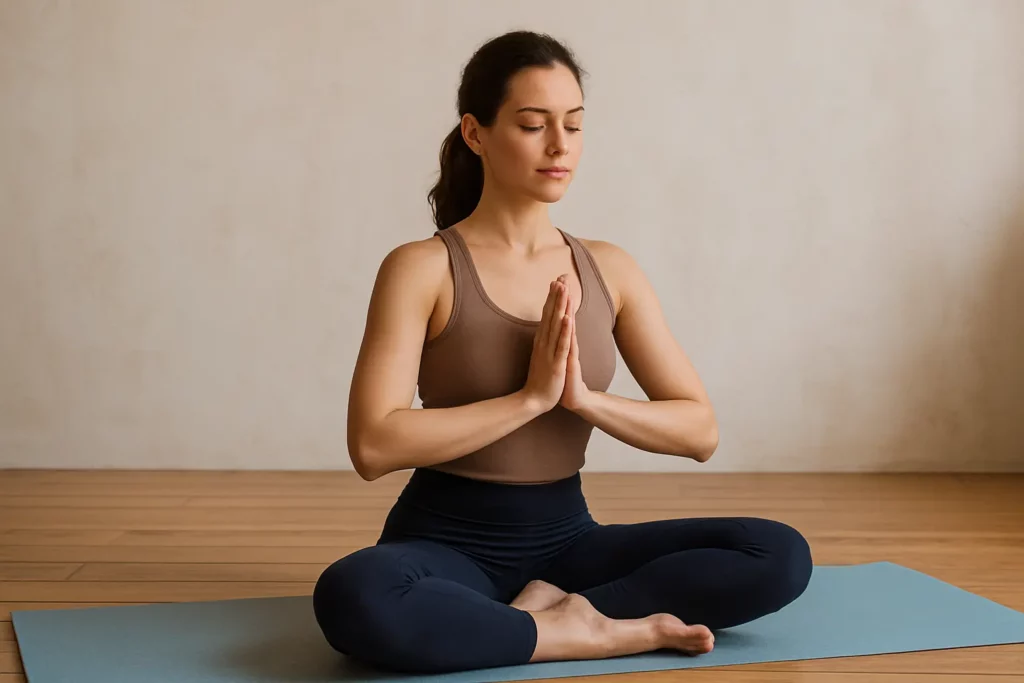
Natural fibers like bamboo and cotton provide softness, but may lack moisture control. (Image: TheGymWaves)
Although many fabrics can be used for yoga attire, selecting materials that offer breathability, moisture-wicking properties, and flexibility is essential to guarantee comfort and peak performance during practice.
Natural fibers like bamboo and cotton provide softness, but may lack moisture control.
Synthetic blends such as nylon and spandex enhance stretch and sweat management, promoting safety by reducing skin irritation and overheating risks during movement.
Best types of yoga pants and leggings
Selecting the appropriate fabric lays the foundation for comfortable yoga wear, but the fit and style of pants and leggings profoundly influence performance and ease of movement.
High-waisted, stretchy leggings provide secure coverage and support, minimizing distractions. Flat seams and moisture-wicking material reduce irritation and slippage, promoting safety during poses.
Avoid overly loose pants that may cause tripping or restrict movement.
A variety of yoga tops combine comfort and support to enhance practice.
These tops often feature breathable, moisture-wicking fabrics that maintain dryness and reduce irritation. Secure straps and built-in support minimize movement, promoting safety during poses.
Selecting tops with adequate coverage guarantees focus remains on alignment and balance, preventing distractions caused by discomfort or wardrobe malfunctions.
Importance of proper fit and flexibility
Comfortable and supportive yoga tops contribute greatly to a successful practice, but their effectiveness depends largely on proper fit and flexibility.
Ill-fitting garments can restrict movement or cause distractions, increasing injury risk. Flexible fabrics that move with the body guarantee full range of motion, essential for safety and maintaining correct posture throughout poses.
Proper fit enhances both comfort and protection during sessions.
Breathability and moisture-wicking materials
Breathability plays an essential role in maintaining comfort during yoga by allowing air circulation that helps regulate body temperature.
Choosing moisture-wicking fabrics guarantees sweat is quickly drawn away from the skin, reducing discomfort and preventing irritation.
These materials support hygiene by minimizing dampness, lowering the risk of skin infections, and enhancing overall safety during practice.
Layering options for different yoga styles
Although yoga practices vary widely in intensity and environment, selecting appropriate layers can optimize comfort and mobility.
Lightweight, breathable tops suit vigorous styles like Vinyasa, while long-sleeve shirts or light jackets provide warmth during slower practices such as Yin yoga.
Layering allows safe temperature regulation, preventing overheating or chills, which supports focus and reduces injury risk during diverse yoga sessions.
Footwear choices for yoga practice
While appropriate clothing layers contribute to a successful yoga session, attention to footwear also plays a role in practice quality.
Most practitioners prefer barefoot practice to maintain balance and grip, reducing slip risks. In some cases, non-slip yoga socks provide hygiene and traction without compromising safety.
Proper footwear choices support stability, minimize injury risk, and enhance overall comfort during poses.
Accessories to enhance your yoga experience
Accessories play a significant role in optimizing comfort, support, and focus during yoga practice.
Items such as non-slip grip socks enhance stability, while sweatbands prevent distractions from moisture. Lightweight headbands keep hair secure without causing discomfort.
Additionally, supportive straps and blocks aid in maintaining proper alignment safely, reducing injury risk and improving overall practice effectiveness.
How to care for your yoga clothing
Proper care of yoga clothing extends the lifespan of garments and preserves their performance qualities.
Washing in cold water with gentle detergent prevents fabric damage and maintains elasticity.
Avoid bleach and fabric softeners, which can reduce moisture-wicking ability.
Air drying is recommended to prevent shrinking and maintain fit.
Following these guidelines guarantees safety by retaining clothing integrity during practice.
Styling tips for yoga outfits
When selecting yoga outfits, balancing comfort with style enhances both performance and confidence.
Opt for breathable, moisture-wicking fabrics that allow unrestricted movement while maintaining safety. Layering with lightweight, non-restrictive pieces helps adapt to varying temperatures.
Choose secure, well-fitted clothing to prevent distractions or accidents during poses. Neutral colors and minimal accessories further reduce risk, promoting focus and a safe practice environment.
Conclusion
Selecting appropriate yoga attire involves prioritizing comfort, flexibility, and support. Breathable, moisture-wicking fabrics paired with well-fitted, high-waisted leggings and supportive tops enhance movement and focus. Avoiding loose clothing reduces distractions and safety risks. Proper fit and fabric choices contribute greatly to an effective practice by ensuring ease of motion and minimizing discomfort. Thoughtful selection and care of yoga clothing ultimately support a more enjoyable, safe, and focused yoga experience.