

News
What exercises should seniors avoid? 5 Examples
Growing older means knowing which exercises to skip; discover five risky moves seniors should avoid to stay safe and healthy.


Stretching before exercise is one of those simple habits that sounds easy to skip but has a massive impact on how your body performs. It prepares your muscles, joints, and even your mind for movement, yet so many people rush through their warm-up or skip it entirely. When you give your body even a few minutes of intentional stretching, everything changes. Movements feel smoother, your range of motion expands, and your workout becomes safer and more effective. Whether you’re exercising at home, hitting the gym, training outdoors, or jumping into a high-intensity session, stretching is the foundation that sets the tone for how your body will perform.
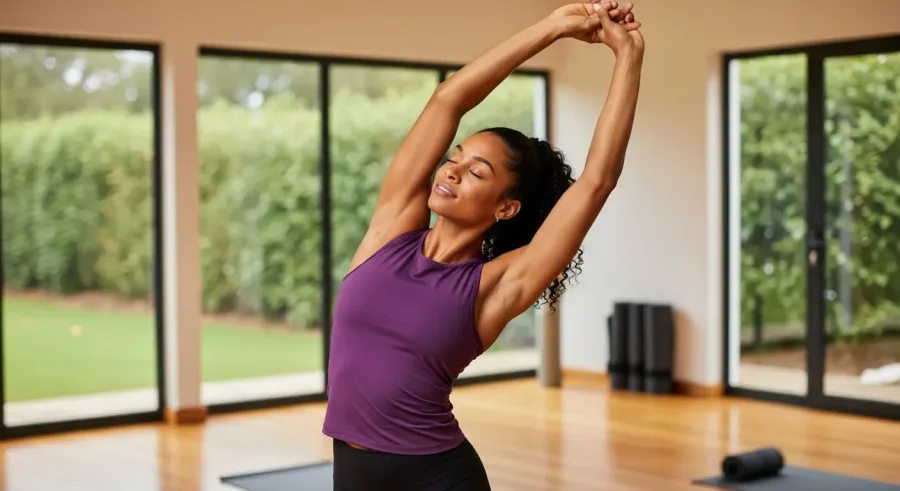
Understanding what actually happens inside your muscles when you stretch offers an exciting look at why experts recommend it so passionately. Stretching activates blood flow, warms up muscle fibers, stimulates the nervous system, and signals your body that it’s time to switch into movement mode. If you’ve ever felt stiff, sluggish, or tight at the start of a workout, stretching is exactly what helps clear that barrier. As simple as it may seem, stretching before exercise has the power to enhance every rep, every stride, and every movement you make.
Before you jump into your next workout, it’s worth taking a moment to understand why this quick, often overlooked step is one of the most important parts of your routine.
When you stretch before exercise, you’re doing far more than loosening up. You’re actually preparing multiple systems in your body to handle physical stress safely and efficiently. Muscles that are tight or cold can cause strain the moment you ask them to perform a movement. But when you stretch, you gently ease your muscles into action and progressively build elasticity.
This preparation is especially important for people who spend most of their day sitting, whether at a desk, in a car, or on the couch. Sedentary habits shorten muscles, weaken mobility, and reduce circulation, making stretching even more essential before exercising. Stretching counteracts hours of stillness by opening the hips, lengthening the spine, releasing the shoulders, and reactivating major muscle groups. In other words, it wakes your body up and reminds it how to move.
Stretching also gives you the mental advantage of shifting your focus from the day’s distractions to your workout. It slows you down for a moment and allows you to connect with your breath, your posture, and your goals. This mindful transition into movement can improve concentration, coordination, and motivation throughout your session.
When you give your body this moment of preparation, you’re not just warming up — you’re unlocking your full potential for the workout ahead.
The science behind stretching is genuinely fascinating. When you stretch, your muscle fibers extend, blood flow increases, and oxygen delivery improves. This makes your muscles more pliable, less resistant, and better equipped to handle explosive or repetitive movements.
One of the most important effects is the activation of your neuromuscular system. Stretching sends signals to your brain that help coordinate muscle engagement, balance, and joint stability. This is why movement feels more controlled and efficient after stretching.
Another major benefit is the reduction of muscular tension. Tight muscles limit your range of motion, which can throw off your form and make exercises more difficult and less effective. Stretching releases this tension, allowing your joints to move through their full potential. This is the key to performing exercises with proper alignment, which ultimately leads to better strength development and safer training sessions.
Warm muscles are also less likely to tear or strain. Stretching raises your internal temperature and prepares connective tissues like tendons and ligaments to handle stretching, bending, and weight-bearing without injury. This is why warming up properly can dramatically reduce your risk of soreness or injury later on.
Every time you stretch before a workout, you’re essentially giving your muscles a head start — one that leads to smoother, stronger, more effective movement.
Stretching is a cornerstone of long-term muscle health. Consistently stretching creates an environment where your muscles can function at their best, support your training demands, and stay resilient over time. When you stretch regularly, your muscle fibers adapt and lengthen, increasing flexibility and helping your body move with greater ease.
This freedom of movement has a ripple effect on your entire fitness routine. When your muscles can move fully and correctly, you can squat deeper, lift more safely, run more efficiently, or perform yoga poses with more stability. Over time, this translates into better performance, improved strength, and greater confidence in your abilities.
Stretching also reduces the risk of sudden injuries. Muscles that are warm and flexible are less likely to experience strains or tears during fast-paced or heavy movements. Rather than feeling tight, restricted, or unstable, your body becomes more elastic and better able to absorb impact.
Muscle recovery is another powerful benefit. Stretching after exercise is well-known for reducing stiffness and soreness, but stretching before you begin helps your body prepare to handle the stress of training. It ensures muscles are responsive and ready for action, which leads to quicker recovery once your workout is complete.
Over time, maintaining a stretching routine is one of the best ways to support lifelong mobility and joint health. It helps your muscles stay active, your joints stay lubricated, and your overall movement stay strong and balanced.
One of the most exciting reasons to stretch before exercising is the direct improvement it brings to your performance. When your muscles move better, everything you do in your workout becomes more effective. Whether you’re lifting weights, practicing a sport, jogging, or flowing through a home workout, stretching strengthens the connection between your intention and your movement.
Improved flexibility means a wider range of motion, which is essential for performing exercises correctly. With greater mobility, you can squat deeper, lift with proper posture, twist with more control, and move with better symmetry. This increased control leads to better muscle engagement, which helps you build strength more efficiently.
Stretching also boosts your power. When your muscles are prepared and properly warmed, they contract more effectively. You feel more explosive, quicker, and more stable — qualities that benefit everything from sprinting to strength training.
Another key performance benefit is endurance. When your muscles receive more oxygen and circulation from stretching, they fatigue more slowly. This leads to a workout that feels smoother and more sustainable. You can push harder, maintain better form, and stay consistent from start to finish.
Finally, stretching helps prevent performance-interrupting injuries. Even a minor strain can throw off your routine and slow down your progress. But by stretching beforehand, you protect your muscles and joints from unnecessary stress, keeping your training schedule strong and uninterrupted.
Stretching may feel gentle, but its results are powerful. It elevates every aspect of your workout, helping you move better, feel better, and perform at your absolute best.
Not all stretches are created equal, and choosing the right techniques can make a tremendous difference in your results. When you match your stretching routine with your workout goals, your body responds with better performance, smoother movements, and more consistent progress.
Dynamic stretching is especially important before exercise. These stretches involve moving through a full range of motion and preparing your muscles for the actions they’ll perform during your workout. They activate your muscles, increase your heart rate gently, and warm your body from the inside out. This makes dynamic stretching ideal for everything from running and weightlifting to sports and mobility training.
Static stretching, which involves holding a stretch for a longer period of time, is beneficial too — but is most effective after your workout when your muscles are warm. Holding static stretches before intense activity can sometimes reduce power output, so it’s best saved for the cool-down when you want to relax and lengthen the muscles you’ve just worked.
No matter which style you choose, the key is consistency. Stretching isn’t something you do once in a while to “fix” tightness. It’s a long-term practice that changes the way your body functions. Over time, you’ll notice better posture, smoother movements, fewer injuries, and more confidence in the way your body performs.
When your stretching routine supports your goals, your goals suddenly feel more reachable. It’s a simple habit with extraordinary impact — one that keeps you progressing, improving, and feeling strong in every workout session.
Stretching before exercise isn’t just about warming up for one workout. It’s about building a foundation of mobility, strength, and injury resistance that lasts a lifetime. The more you commit to stretching, the more your body rewards you with smoother movement, less discomfort, and greater control during every form of physical activity.
Regular stretching supports joint health by improving lubrication and keeping connective tissues supple. It enhances posture, especially for those who spend hours typing, standing, or sitting. It reduces chronic stiffness, supports balance, and even improves circulation, which is vital for overall vitality.
Your future workouts also benefit. As your flexibility improves, movements become easier and more natural. Your body feels more prepared, more coordinated, and more capable of tackling new challenges. You’ll notice progress not just in your flexibility but in your strength, endurance, and overall confidence in your physical performance.
Stretching is truly an investment — one that pays off in comfort, capability, and longevity.
Stretching before exercise is far more powerful than many people realize. It prepares your muscles for movement, boosts flexibility, increases blood flow, and primes your body for better performance. With consistent stretching, you support stronger muscles, healthier joints, smoother movements, and safer workouts. Every time you stretch, you create space for better form, greater control, and more rewarding progress.
When stretching becomes a natural part of your routine, everything about your training improves. From the first warm-up movement to the last cool-down breath, stretching plays a vital role in helping you feel energized, strong, and ready for anything. Keep stretching, keep moving, and enjoy the transformative benefits it brings to your fitness journey.


Amanda Torati is a linguist and postgraduate researcher who specializes in the intersection of communication and healthy living. With a deep passion for the wellness ecosystem, she uses her academic background to translate complex fitness trends and health research into clear, accessible guides. At TheGymWaves, Amanda is dedicated to providing readers with well-founded information that empowers them to lead more balanced and active lives.
Growing older means knowing which exercises to skip; discover five risky moves seniors should avoid to stay safe and healthy.

Gaining mobility through targeted exercises can transform seniors' lives by enhancing independence and reducing injury risk, but how exactly does it work?

Jumpstart your strength training by syncing workouts with your menstrual cycle—discover the surprising benefits that await when you train with your body’s rhythm.

Get the best techniques to stretch your knee effectively and safely, improving flexibility and preventing injury—discover the key moves you shouldn’t miss.
The ultimate guide reveals essential techniques and tips to prevent injuries—discover how simple changes can protect your body and enhance your performance today.

Wondering if stretching after working out is truly mandatory? Discover the surprising benefits and expert insights that might change your routine forever.